
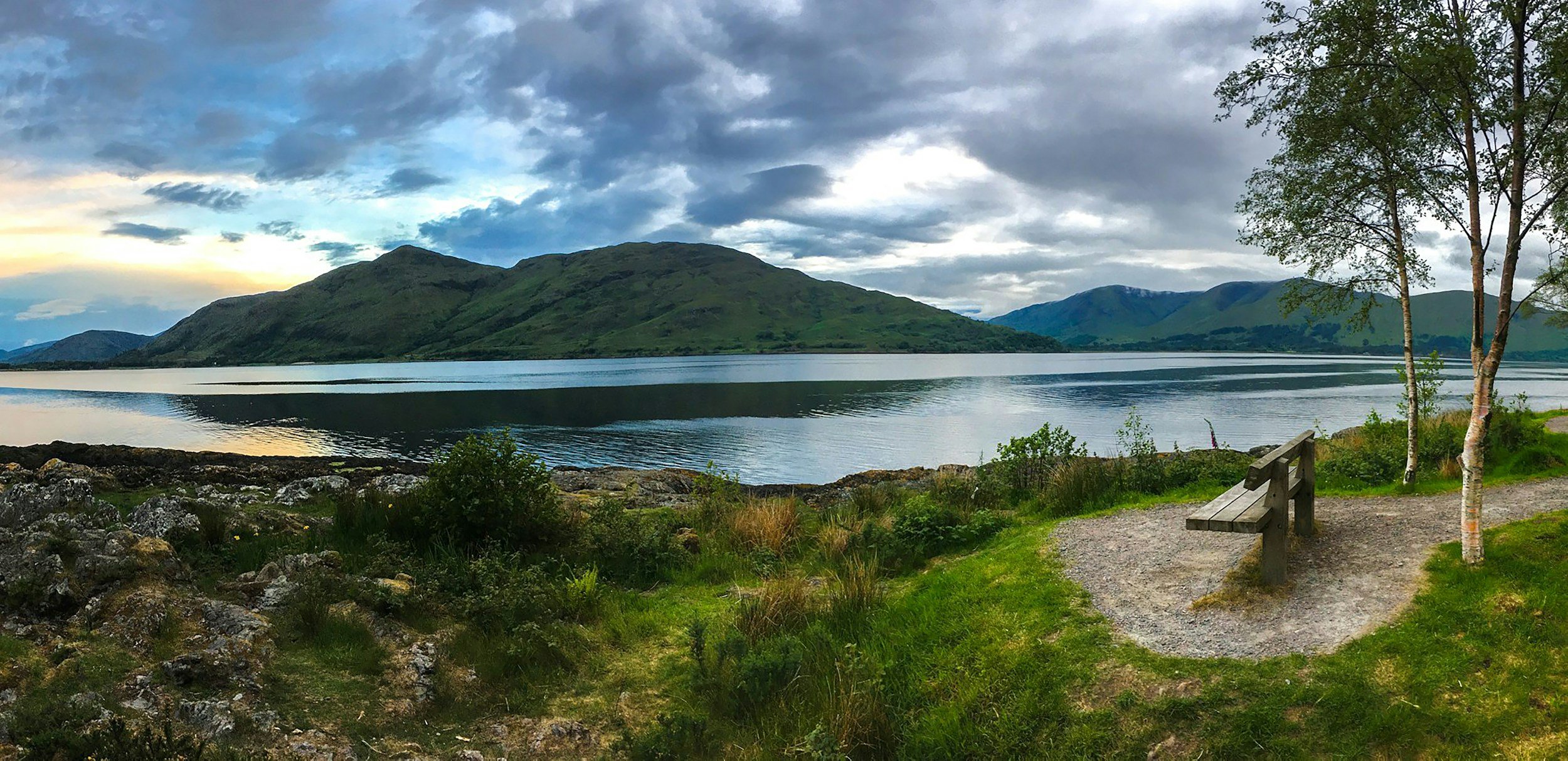
Spend enough time reading online travel forums before a trip to Scotland and you might start to believe that stepping outdoors in the Highlands during summer requires full-body armour. Scottish midges have earned an almost mythical reputation among international travellers, with tales of clouds of biting insects ruining pristine mountain views. The reality, however, is far more manageable. While midges are certainly a feature of the warmer months in rural parts of the country, their presence is hugely dependent on where you go, what the weather is doing, and how well prepared you arrive.
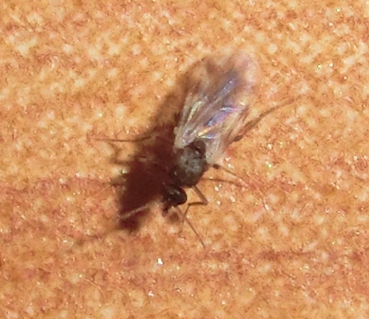
To make sense of the experience, it helps first to understand what a Scottish midge actually is. Biting midges are microscopic flying insects, with the species most famous for bugging Highland travellers commonly known as the Highland midge (Culicoides impunctatus). Despite their fierce reputation, it is worth noting that not every small flying insect in Scotland is out to bite you. Of the many species of midges present across the country, only the females of certain species actually bite humans, as they require protein for their eggs. Understanding that they are tiny, delicate creatures gives you your first real clue on how to handle them, they are completely at the mercy of the weather.
Knowing what these insects are leads naturally to the single biggest question most visitors ask…when are they active? According to the official guide to midges and ticks from VisitScotland, midge season in Scotland generally spans from May through to October, with peak midge activity typically occurring during the warm midsummer months of July and August. However, the calendar alone never tells the whole story. Because midges rely on specific environmental conditions to thrive, a cool or windy week in July might yield virtually no midge activity, whereas a warm, still, damp day in late May or September could see them out in force. If you are trying to decide when to travel and want to avoid warmer weather pests altogether, exploring outside these months is always an option, which is just one reason why winter is an underrated time to visit Scotland.
While the time of year provides a general guide, geography is just as important as the calendar when it comes to predicting where midges emerge. Location plays a massive role in whether you will encounter biting midges, as they thrive in damp, boggy, and sheltered environments where the ground remains moist. Because of this, the Scottish Highlands, the west coast, and the Scottish islands are the areas most strongly associated with them.
If you are planning a trip to famous scenic spots like Glencoe or taking an excursion around the Isle of Skye, you may well encounter midges if you step into a sheltered glen on a calm summer day. However, this does not mean the entire island or valley is blanketed in insects. An exposed coastal viewpoint on Skye, a breezy hilltop in Glencoe, or a windy beach will often be completely clear of them, even when a damp wood half a mile away is busy. On the other hand, if your itinerary is focused on urban exploring, you can breathe a sigh of relief. Visitors asking whether Edinburgh or Glasgow have a severe midge problem will be glad to know that central cities and built-up areas rarely experience noticeable midge activity. Midges simply do not find paved streets and urban parklands suitable for breeding in the way rural Highland boglands provide.
Beyond regional geography, local weather conditions are what truly dictate whether midges are active on any given day. To understand midges, you simply need to understand Scottish weather. Because midges are so light and fragile, wind is their greatest enemy. Even a light, fresh breeze is usually enough to blow them away and keep them from flying. Still, humid days with heavy cloud cover create the ideal conditions for midge activity.
Time of day also matters significantly, as early morning and late evening often see increased activity when light levels drop and humidity rises. However, midges do not strictly follow a clock. If you happen to be walking through a shady, damp forest on an overcast afternoon with no wind, midges can easily be active. The beauty of Scottish geography is that microclimates change rapidly. Moving from a sheltered woodland path out onto an open sea cliff can take you from midge territory to complete breeze-filled comfort in a matter of minutes.
Even when weather conditions bring midges out into the open, many travellers still worry about the physical effects of an encounter. For most visitors, the biggest concern is safety. Fortunately, VisitScotland’s outdoor safety advice and NHS guidance on insect bites confirm that midge bites are harmless and do not transmit human diseases. They can leave small, red, itchy spots that might be annoying for a day or two, but insect bites in the UK generally improve on their own within a few days.
It is crucial, however, that visitors do not confuse midges with ticks. While midges are tiny flying insects that gather around you in the air, ticks are small, spider-like arachnids that cling to tall grass, heather, and bracken before crawling onto skin or clothing. Unlike midges, ticks attach themselves to feed. The NHS Inform guide to tick bites notes that they can occasionally transmit Lyme disease. While tick season roughly mirrors the warmer months from March to October, checking yourself for ticks after walking through long grass or heather is good general outdoor safety, whereas midges simply require physical and chemical deterrents while you are in the air around them.
Understanding the low health risk provides reassurance, but staying comfortable outdoors still comes down to practical preparation. Minimising midge bites relies on a few straightforward, sensible habits rather than panicking:
| Precaution | Practical Advice |
|---|---|
| Apply Repellent | Repellents containing active ingredients like Picaridin (Icaridin) or specialized formulas from Smidge are popular choices in Scotland. Always apply according to the manufacturer's directions. |
| Cover Up | Wearing lightweight, light-colored long sleeves and full-length trousers keeps skin covered when you are stopping in rural areas. Midges are naturally attracted to dark clothing. |
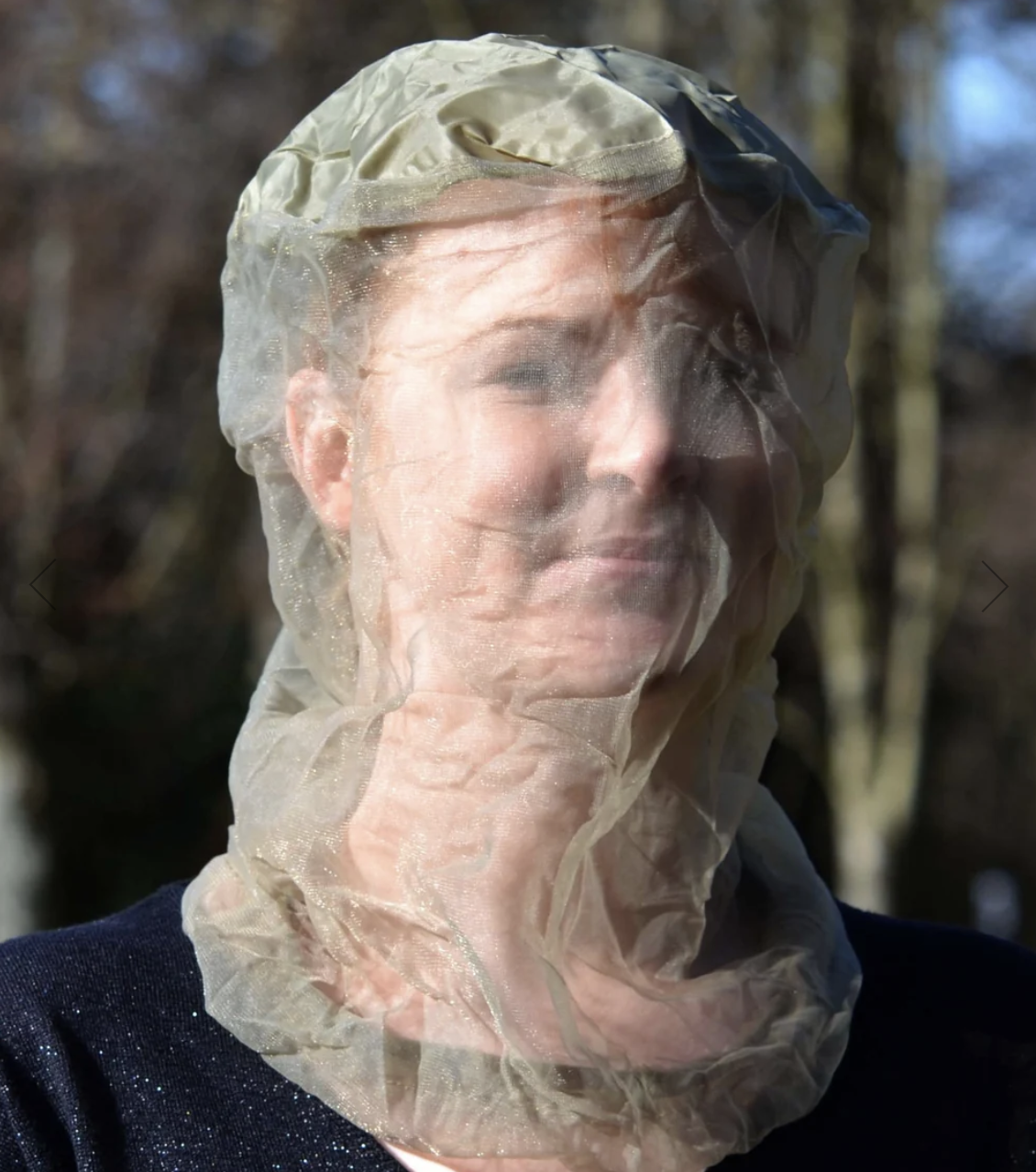
| Pack a Head Net | If you plan on camping, fishing, or doing extended long-distance hiking in the Highlands during peak summer, a fine mesh midge head net weighs almost nothing and provides instant peace of mind. |
| Keep Moving & Choose Breezy Spots | Midges fly slowly. As long as you are walking briskly along a trail, they cannot keep up with you. If you are stopping for lunch, pick a high, open, or windward spot rather than a shady, damp hollow. |
| Manage Vehicle Openings | Keep car doors and windows closed when parked in sheltered, damp spots, particularly during dawn or dusk. |
| Check the Forecast | During the main season, you can consult the online Scottish Midge Forecast, which uses weather and environmental data to estimate current midge activity levels across different regions. |
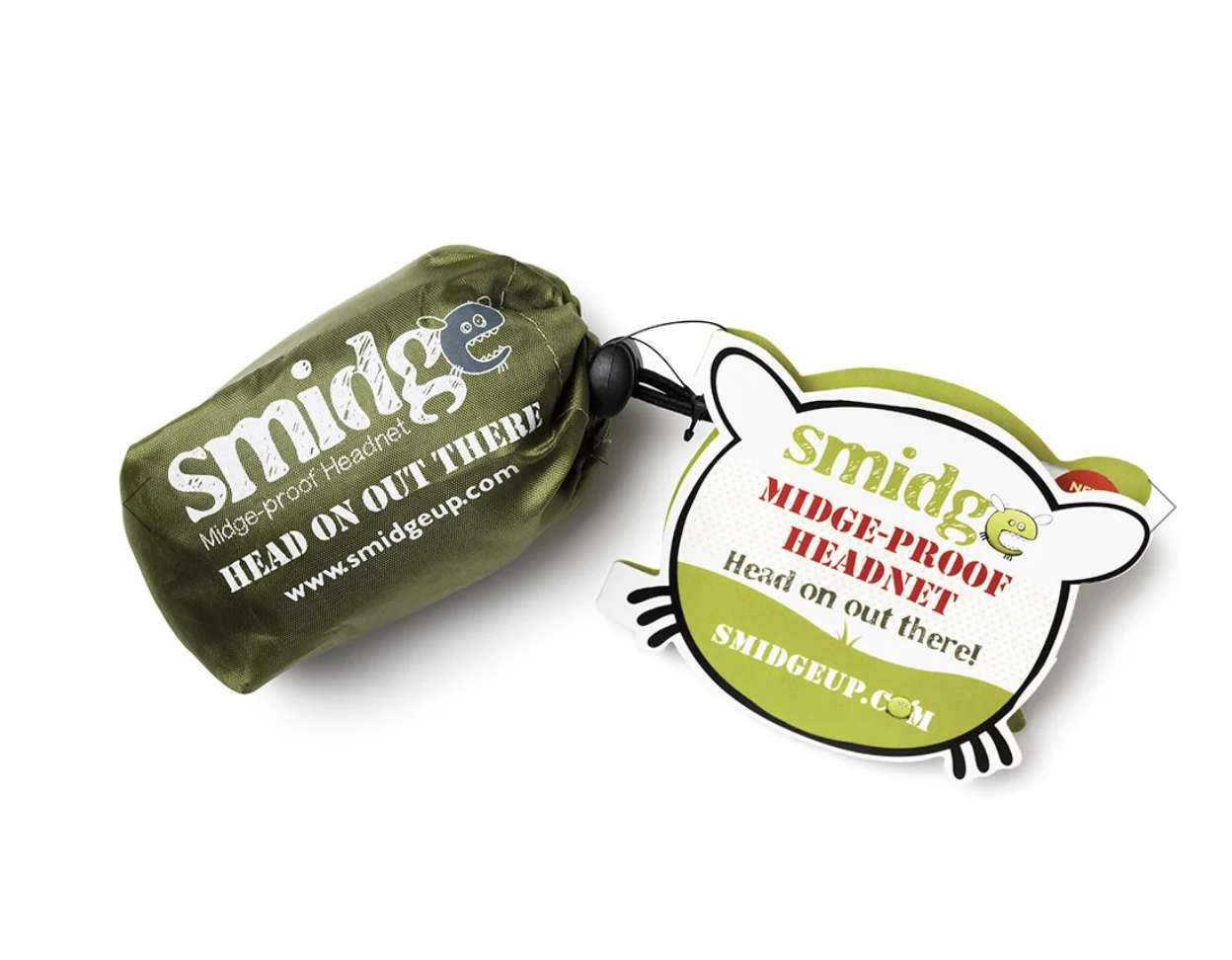
Our Top Gear Recommendation for Peak Midge Season When the wind drops in a sheltered glen, nothing beats having simple, foolproof protection. The Smidge Head Net is an absolute staple for summer in the Highlands, it’s lightweight, breathable, and fine enough to keep even the smallest midges at bay.
Taking these simple precautions keeps the reality of midges in perspective, helping to answer the ultimate question for anyone planning a trip: do midges actually ruin a Scottish holiday? It is easy to let online horror stories cast a shadow over trip planning, but midges rarely ruin a holiday for visitors who arrive prepared. On a multi-day journey through the Highlands, you might experience midges for twenty minutes while taking photos in a quiet glen, only to drive ten minutes down the road to a coastal castle where there is not a single insect in sight.
Experienced local guides, such as those leading trips with Tartan Viking Tours, encounter these changing conditions constantly throughout the summer. Having local insight means knowing when to adjust a walk, where to find the breeziest scenic stops, and how to help guests navigate what to know before travelling to Scotland so that every day is enjoyable, regardless of what the local wildlife is doing.
Ultimately, Scottish midges are a natural part of the Highland environment during the warmer months, but they are something to prepare for rather than something to fear. By packing the right clothing, keeping a bottle of repellent in your daypack, and paying attention to the weather, you can comfortably explore Scotland's dramatic glens, lochs, and islands without worry.