
Why winter is an underrated time to visit Scotland.
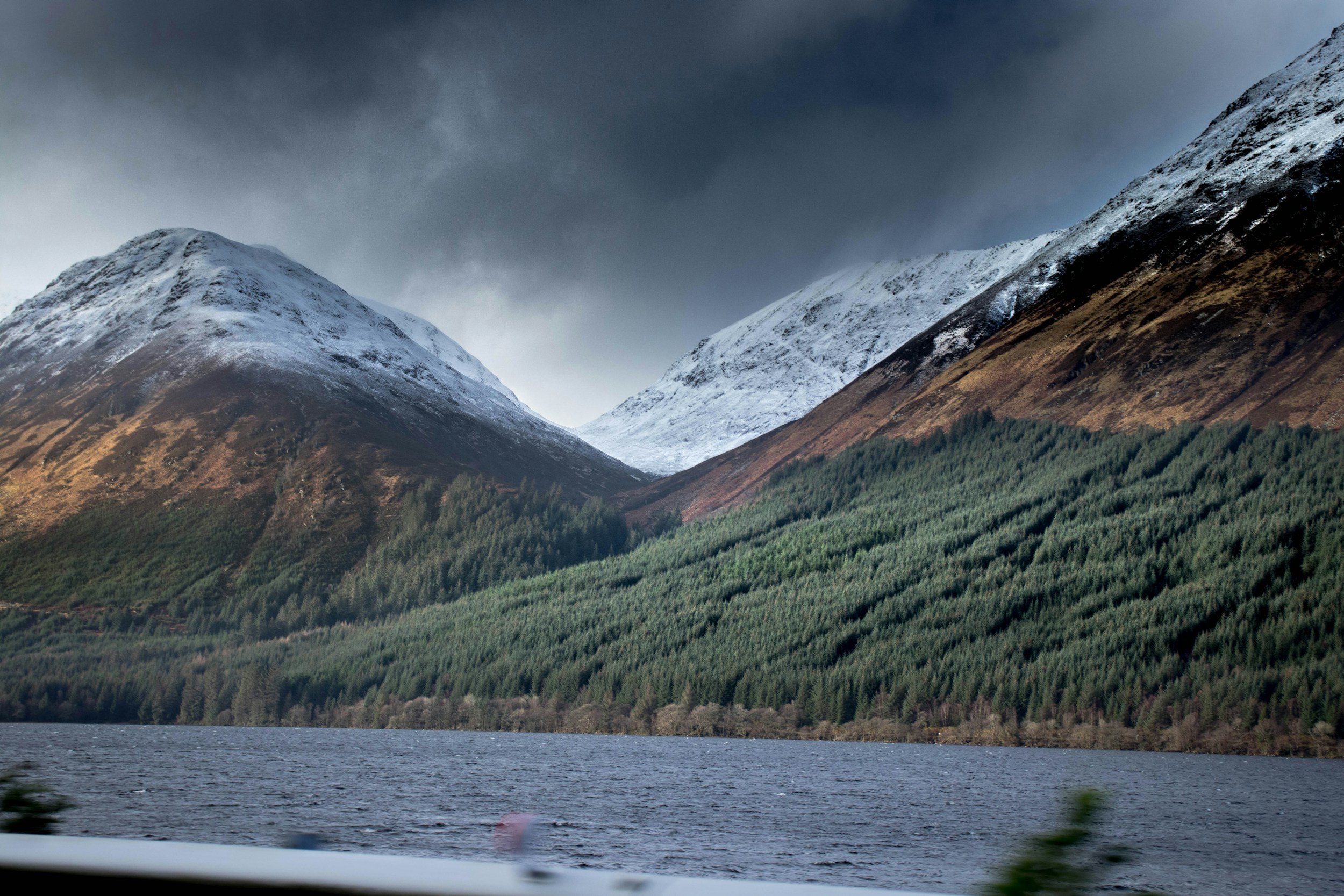
When people think of Scotland, they often conjure images of purple heather in the summer or the vibrant oranges of a Highland autumn. Winter is frequently overlooked and is often dismissed as a season of biting winds and short days that are best avoided by the casual traveler. However, those who choose to brave the crisp air and venture north during the colder months find a version of Scotland that is arguably more authentic, certainly more peaceful, and undeniably magical. There is a profound stillness that settles over the glens and lochs when the mercury drops, offering a level of intimacy with the landscape that the busy summer months simply cannot match. This is the time when the land feels as though it has been returned to its rightful owners, the wildlife and the elemental forces of nature, and the few who wander here are treated to a spectacle of light and shadow that defies easy description.
One of the most compelling reasons to visit during the winter is the sheer visual drama of the landscape. While the green hills of summer are beautiful, they often lack the sharp and defined majesty of a snow-capped peak against a clear blue winter sky. When a fresh dusting of snow covers the mountains of Glencoe or the peaks of the Cairngorms, the topography is revealed in stunning detail. Every ridge, gully, and rocky outcrop is highlighted by the frost, creating a photographer’s paradise where the contrast between the dark stone and the white powder is perfectly balanced. The light in winter is also entirely unique. Because the sun stays lower in the sky throughout the day, you are treated to a perpetual golden hour. The long shadows and soft, honey-hued light can make even a simple stroll through a wooded glen feel like a scene from an ancient fairytale. The way the light catches the morning frost on a Highland fern or the way it glints off the surface of a frozen stream creates a sense of wonder that the harsh overhead sun of July simply cannot replicate.
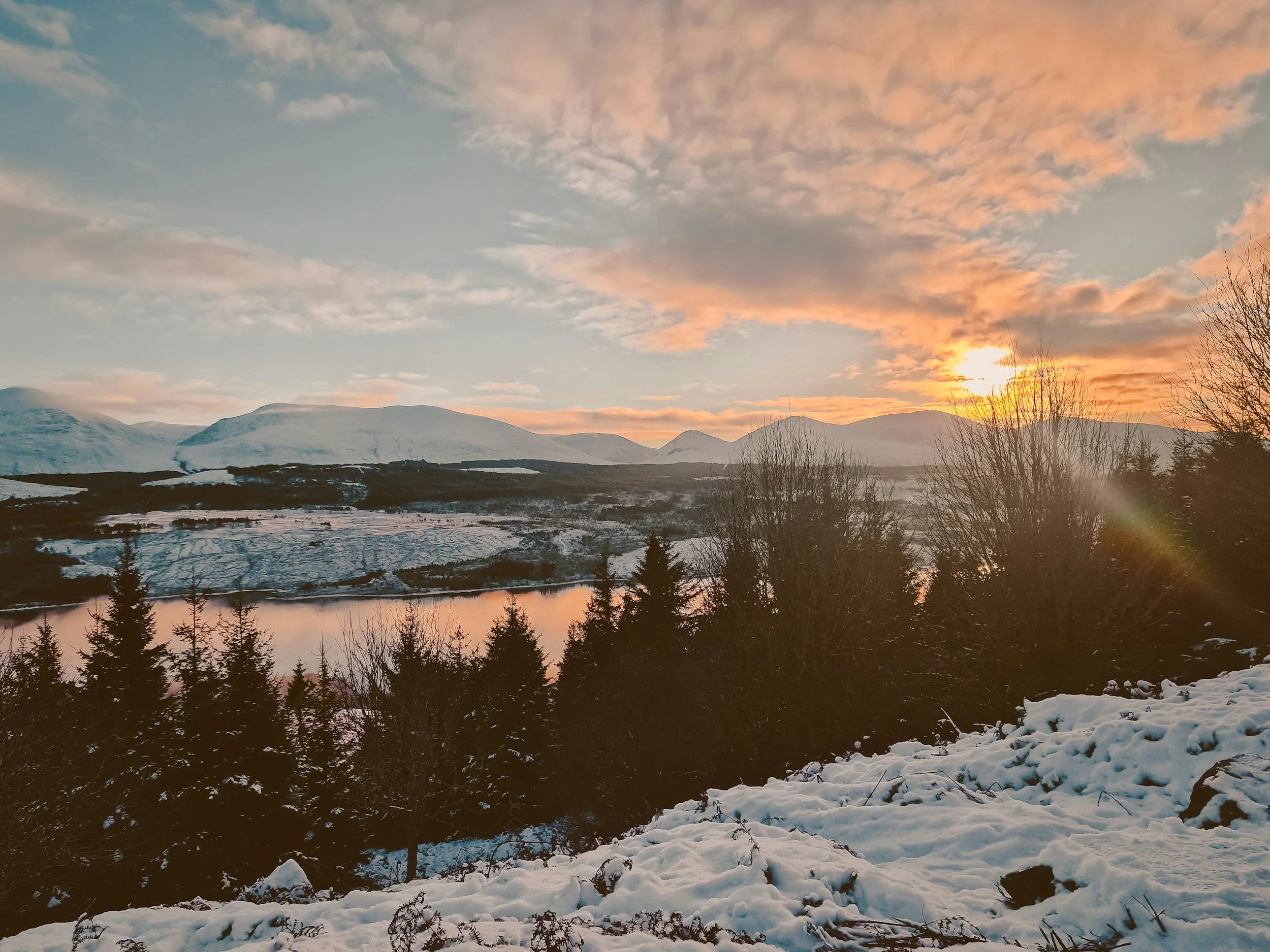
The lochs also take on a different character during this season. On a calm winter morning, the water can be as still as a mirror, reflecting the white peaks and the pale sky with such clarity that it is hard to tell where the shore ends and the water begins. Places like Loch Lomond or Loch Ness, which can be bustling with boat traffic and tourists in July, become silent sanctuaries in January. For those looking for a truly personal connection with these ancient places, our bespoke tours can be tailored to find the most secluded spots where the only sound you will hear is the crunch of your boots on the frozen ground and the distant cry of a golden eagle. Scotland’s popularity has surged in recent years, and while it is wonderful to see so many people falling in love with the country, the major landmarks can become crowded in the peak season. In winter, the crowds vanish almost entirely. You can stand at the foot of the Old Man of Storr on the Isle of Skye or walk through the ruins of Elgin Cathedral without another soul in sight. This solitude changes the way you experience history. When you are alone in a medieval castle courtyard or standing on a silent battlefield like Culloden, you can almost hear the echoes of the past in the wind.
The absence of chatter and modern distractions allows the imagination to wander and helps you connect with the weight of the stories that have shaped this land. The roads are also significantly quieter during these months. The North Coast 500, which has become a bucket list item for many travelers, is a completely different experience in the depths of winter. Without the long convoys of motorhomes and rental cars, the driving experience becomes much more relaxed and meditative. It allows you to focus on the spectacular views around every bend rather than the car in front of you. If you prefer not to navigate the winding roads yourself, especially if there is a chance of frost or sudden snowfall, our private tours provide the comfort of a luxury vehicle and the expertise of a driver who knows how to handle the Highland terrain in any weather condition. This allows you to simply stare out the window and soak in the grandeur while someone else takes care of the logistics and safety.
There is an old Scottish word, "coorie," which is the equivalent of the Danish "hygge." It is the art of nesting and finding comfort in the simple things during the colder months. Winter is the true season of coorie. There is nothing quite like coming in from a brisk walk in the Highlands to the smell of peat smoke and the sight of a roaring fire in a traditional stone pub. This is the time when the "water of life" truly comes into its own. A dram of single malt whisky feels different when the wind is howling outside and you are safely tucked away in a cosy corner. It is a deeply social season where the lack of outdoor activities leads to more storytelling, traditional music sessions, and impromptu ceilidhs.
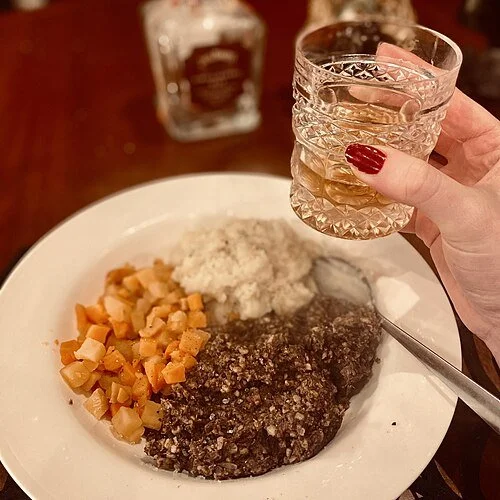
January also brings one of the most important dates in the Scottish calendar which is Burns Night. On the 25th of January, Scots across the globe celebrate the life and works of our national poet, Robert Burns. It is a night of haggis, poetry, and plenty of whisky, providing a wonderful insight into the heart and soul of Scottish culture.
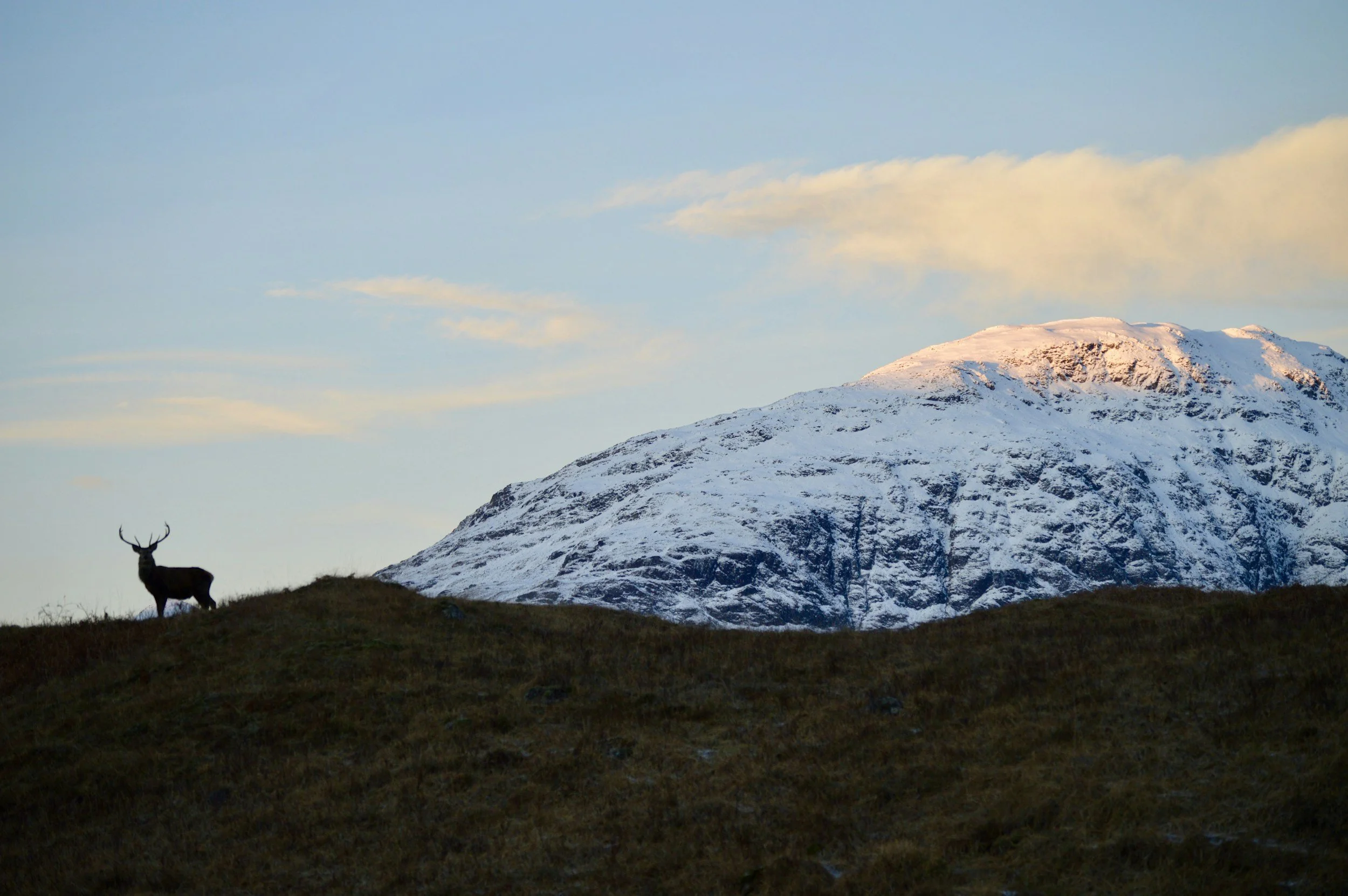
If you are visiting later in the season, you might find yourself in the middle of the Spectra Light Festival in Aberdeen or the Fort William Mountain Festival, both of which celebrate the unique spirit of the north during the winter months. For nature enthusiasts, winter offers sightings that are simply not possible in the summer. The red deer, which is the largest land mammal in the UK, often move down from the high peaks to the lower glens in search of food when the snow gets deep on the summits. It is not uncommon to see a majestic stag standing just a few meters from the road, its antlers stark against the white landscape. You might also spot the mountain hare or the ptarmigan, both of which change their coats to white during the winter to blend in with the snowy environment. Seeing these creatures in their winter plumage is a rare treat for any wildlife photographer..
Furthermore, the long nights of winter provide the best opportunity to see one of nature’s greatest shows which is the Aurora Borealis. While sightings are never guaranteed, the lack of light pollution in the Highlands and the northern islands makes Scotland one of the best places in the UK to see the Northern Lights. Even if the aurora does not make an appearance, the stargazing is world-class. Scotland is home to several Dark Sky Parks where the Milky Way is visible to the naked eye, a sight that is increasingly rare in our modern and well-lit world. Standing under a canopy of stars in the middle of a silent glen is a humbling and perspective-shifting experience.
From a practical perspective, visiting Scotland in winter makes a lot of sense for the savvy traveller. Accommodation prices are often significantly lower than in the summer, and you will find much better availability at the top-rated hotels and guest houses. This means you can often enjoy a level of luxury that might be outside your budget during the peak months. Many restaurants also offer seasonal menus featuring hearty Scottish comfort food like cullen skink, venison stews, and warm puddings that are designed to keep the winter chill at bay. The weather is also more predictable than people think. While it can be cold, it is often a dry cold with crisp and sunny days that are perfect for hiking and exploring. According to the Met Office, the east coast of Scotland is often surprisingly dry even in the winter months.
And of course, there is one major benefit that every summer visitor will envy which is the total absence of the Scottish midge. These tiny biting insects can be a real nuisance in the warmer months, but they are nowhere to be found when the temperature drops, leaving you free to enjoy the outdoors in total peace. Winter is not just a season in Scotland, it is a mood. It is a time for reflection, for adventure, and for experiencing the raw and untamed beauty of the north. Whether you are seeking the thrill of a snowy mountain hike or the quiet comfort of a fireside chair, Scotland in winter has something to offer that stays with you long after you return home. It is a chance to see the country through the eyes of the people who live here, away from the veneer of the tourist season.
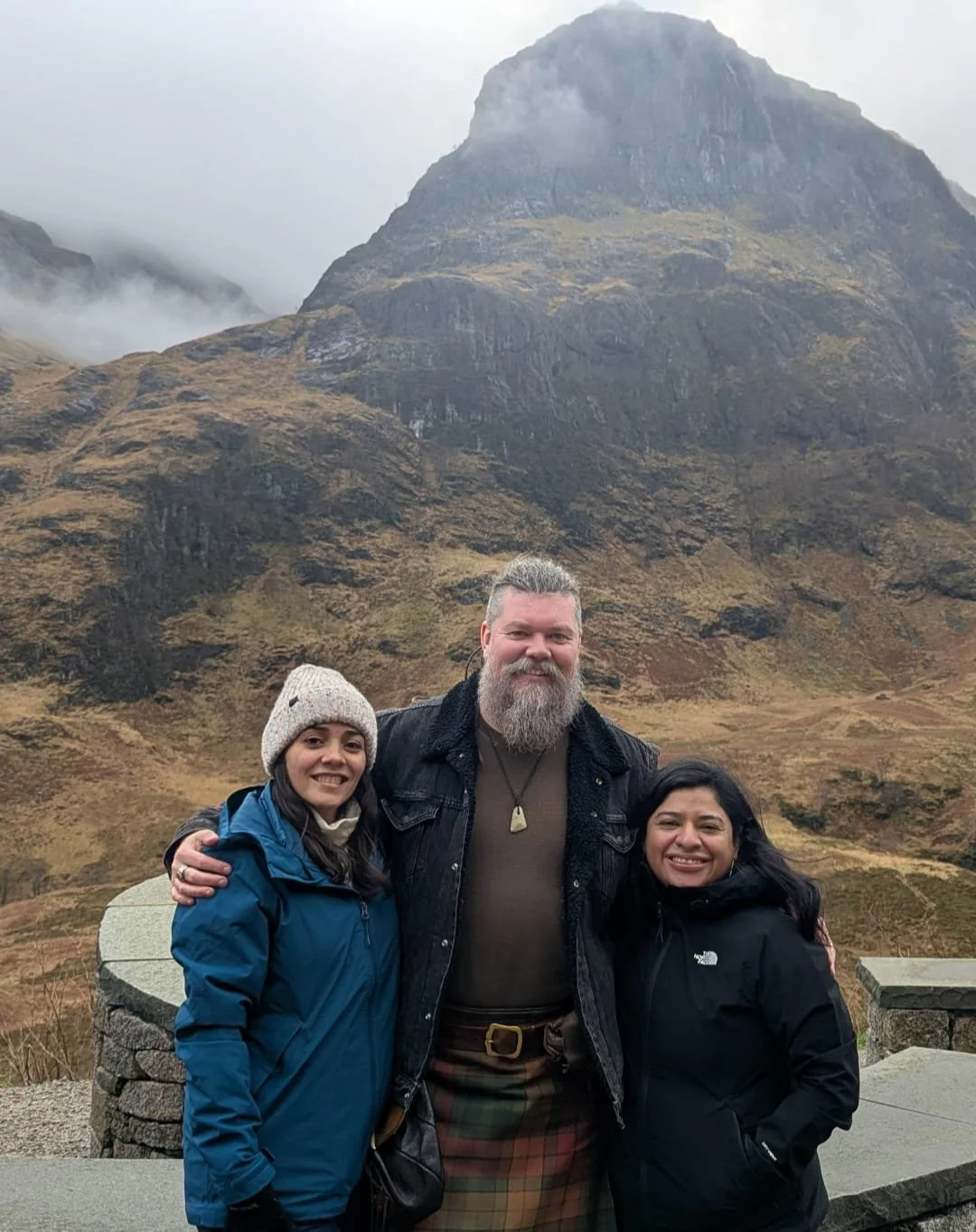
If you are ready to see a different side of our beautiful country, we would love to help you plan your journey. Our team at Tartan Viking specialises in creating itineraries that embrace the unique magic of the winter months. From the misty glens of the west to the historic streets of Edinburgh under a blanket of frost, we can ensure your trip is as comfortable as it is unforgettable. Scotland is waiting for you, and the winter might just be the best time to say hello to the true heart of the Highlands. By choosing this quieter path, you are choosing a deeper connection with the land and its stories. It is a journey that requires a bit more preparation and perhaps a thicker coat, but the rewards are measured in moments of pure, unadulterated awe that simply cannot be found at any other time of the year.