
When planning a trip to Scotland, summer is often the first season that comes to mind. Long days and warm weather draw thousands of travellers every year. However, if you speak to locals or experienced visitors, you will frequently hear that autumn is one of the most rewarding times to explore the country.
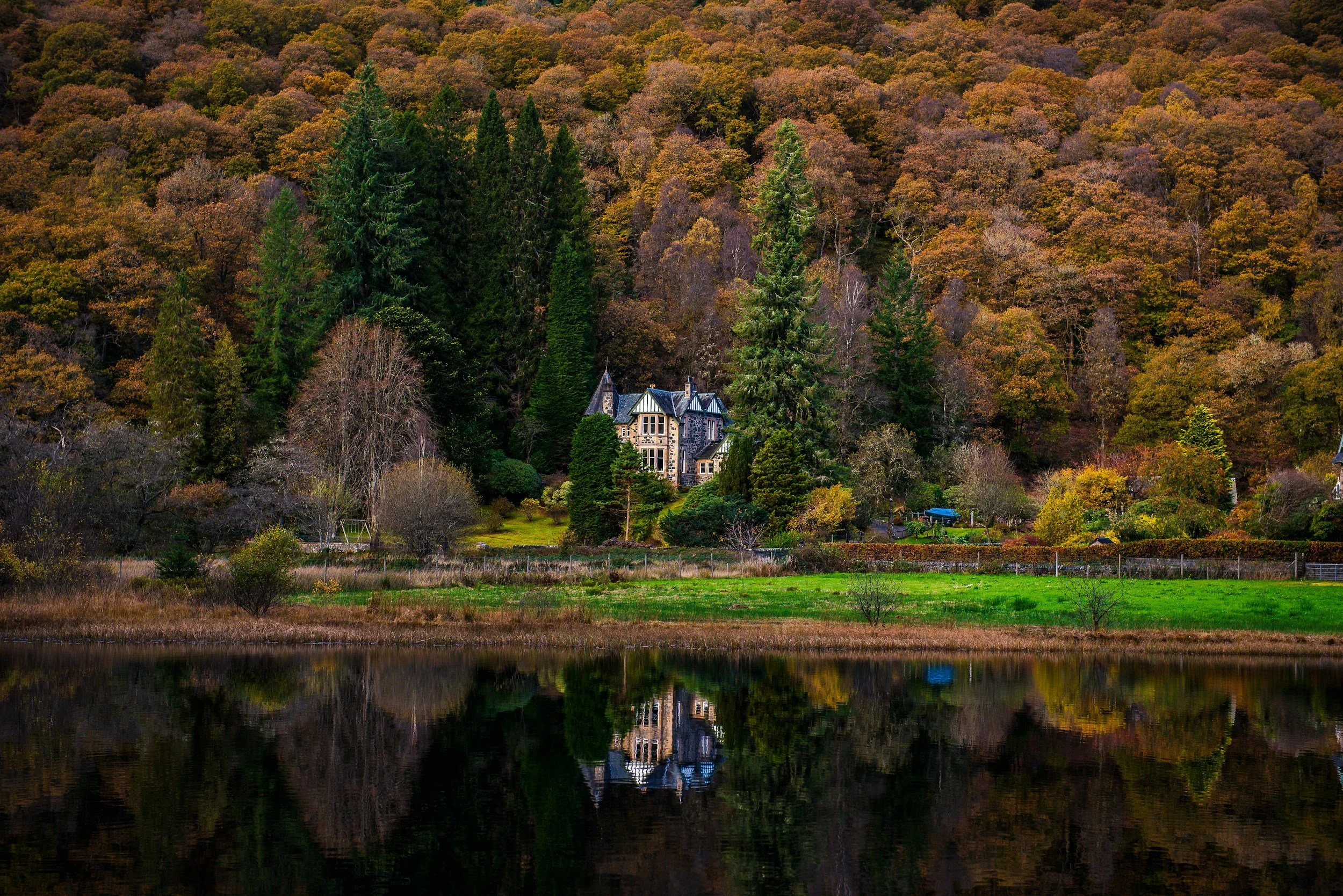
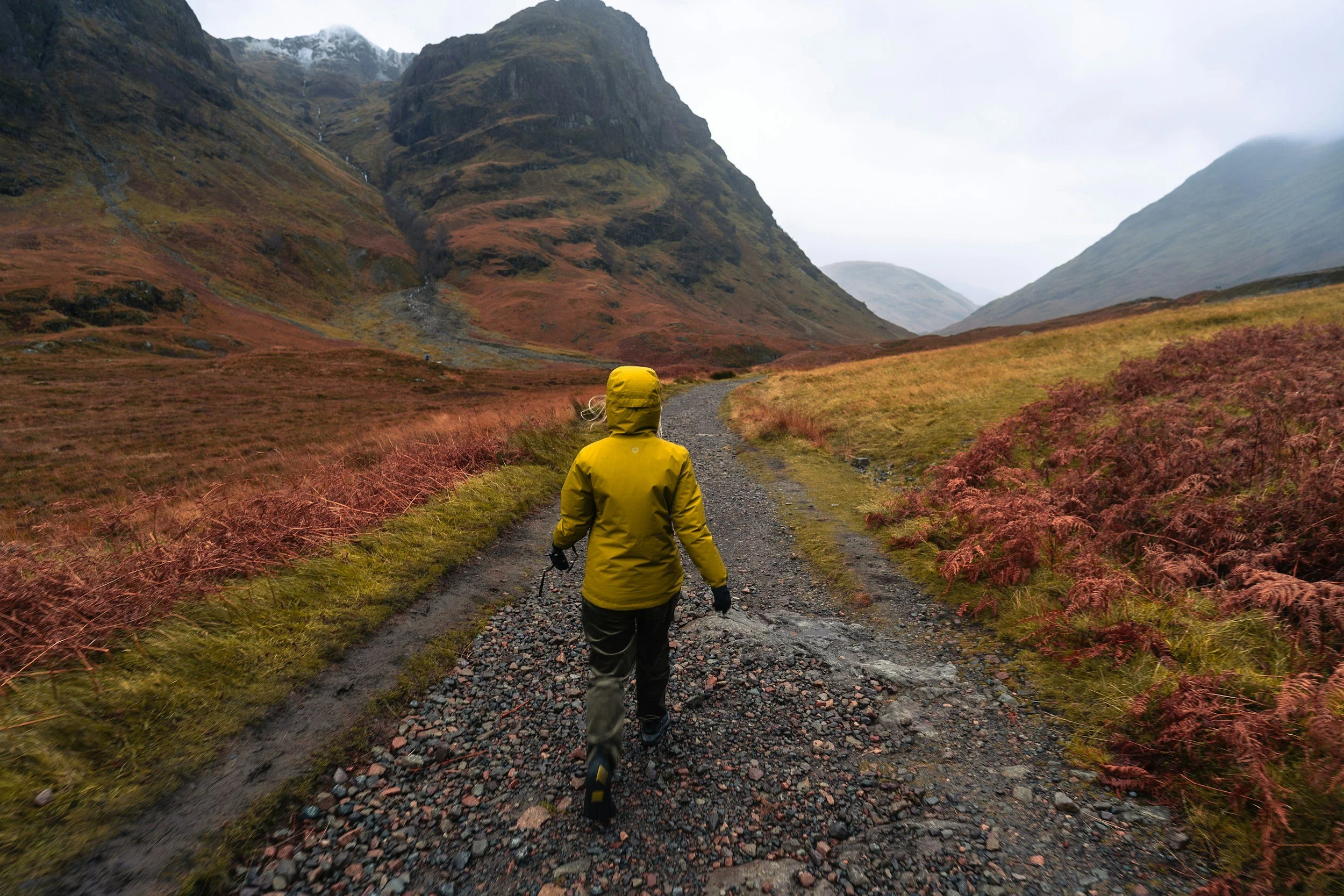
North American travellers often refer to this season as fall in Scotland, and regardless of the word you use, the experience is remarkably atmospheric. The landscape shifts from the lush greens of summer to rich shades of copper, amber, and gold. Glens take on warm tones, Scottish rivers run full from autumn rainfall, and cool air makes a day of sightseeing finish perfectly by a crackling fireplace in a local pub.
That being said, an autumn trip comes with practical trade-offs. The weather grows increasingly changeable, daylight hours shorten, and temperatures drop as winter approaches. Understanding how the season unfolds helps you decide if autumn fits your travel plans and ensures you make the most of your journey.
To make sense of the season, it helps first to realise that September, October, and November each bring a distinct travel experience as highlighted in VisitScotland's seasonal overview.
September acts as a gentle bridge between late summer and early autumn. Temperatures remain relatively mild, and daylight hours are still long enough to accommodate full days of touring. While trees are mostly green at the start of the month, the edges of the leaves begin to turn toward late September. It is an ideal month for travellers who want comfortable weather alongside quieter roads and attractions.
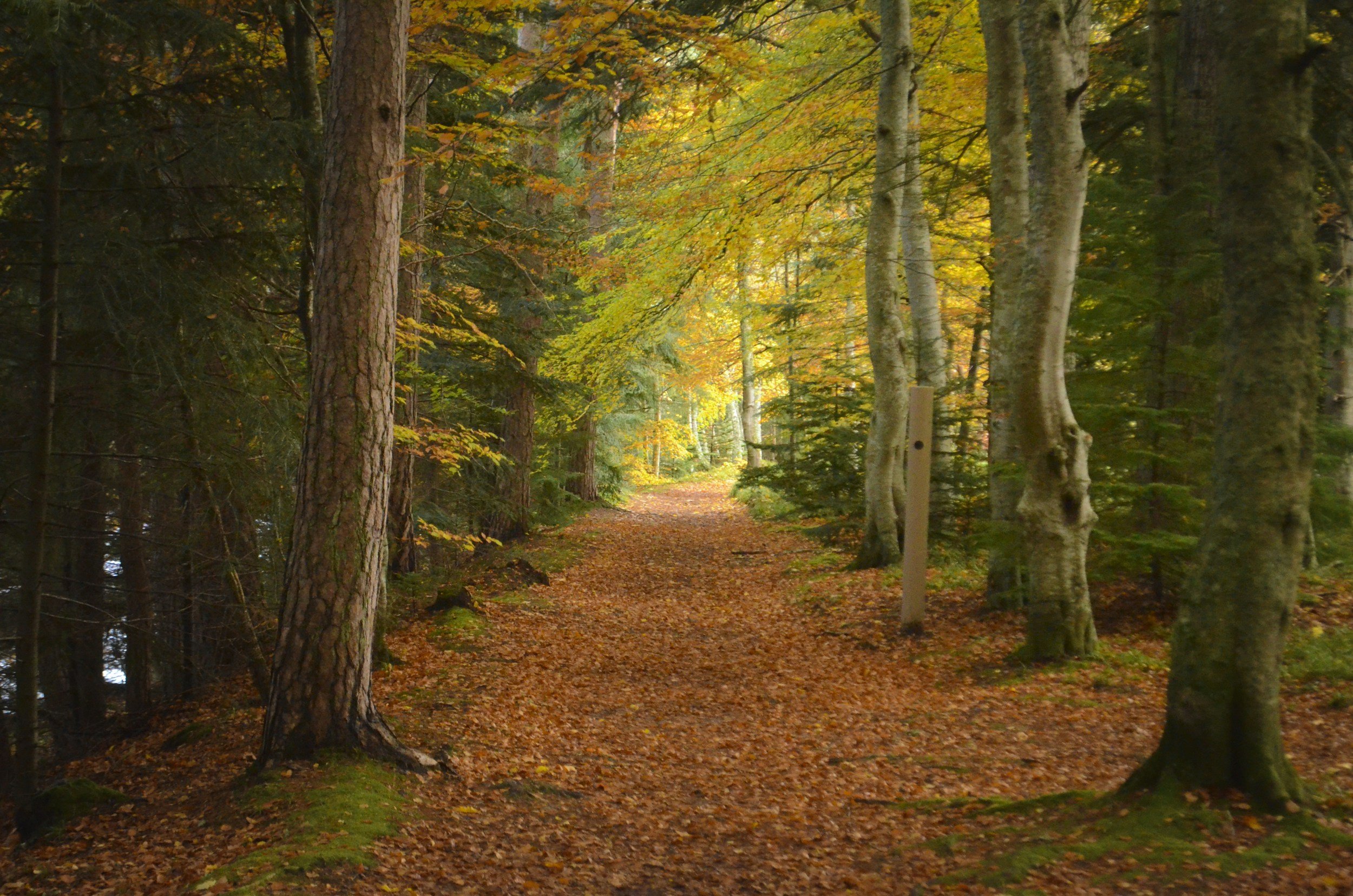
October is the true peak of the season and answers the popular question of whether Scotland is worth visiting in October with an emphatic yes. This is the month when autumn foliage reaches its finest display, particularly across broadleaf woodlands. According to VisitScotland's October travel guide, October is peak season for vibrant woodland colour. Daylight hours grow noticeably shorter and temperatures drop, but the visual reward of golden forests set against moody skies is hard to match.
By November, Scotland moves into late autumn and prepares for winter. Many deciduous trees have shed their leaves, though larches and beeches often retain warm amber hues early in the month. Days are significantly shorter, and the weather turns cooler and mistier. While November requires careful daily planning around sunlight, it offers a peaceful atmosphere, dark starry skies, and cultural highlights such as St Andrew's Day celebrations on 30 November.
Understanding these month-by-month changes leads naturally to the question of when those famous fall colours actually reach their peak. Predicting the exact week for peak autumn colours in Scotland is impossible, as timing depends on summer rainfall, temperature shifts, and wind levels. However, as noted in VisitScotland's guide to autumn woodland walks, seasonal colour typically begins in early October across Highland glens and builds to its height in mid-to-late October.
Brilliant golden hues appear first on birch trees, rowans, and bracken high on the hillsides. Soon after, deep oaks, beeches, and towering Douglas firs in low-lying river valleys join the display. By early November, the show gradually transitions into the golden needles of European larches and the fallen copper leaves covering forest floors.
While beautiful foliage can be found across the country, Highland Perthshire is universally recognised as the capital of Scottish autumn scenery. Known affectionately as Big Tree Country, Perthshire boasts over 200,000 acres of woodland containing some of the tallest, oldest, and most remarkable trees in Europe.
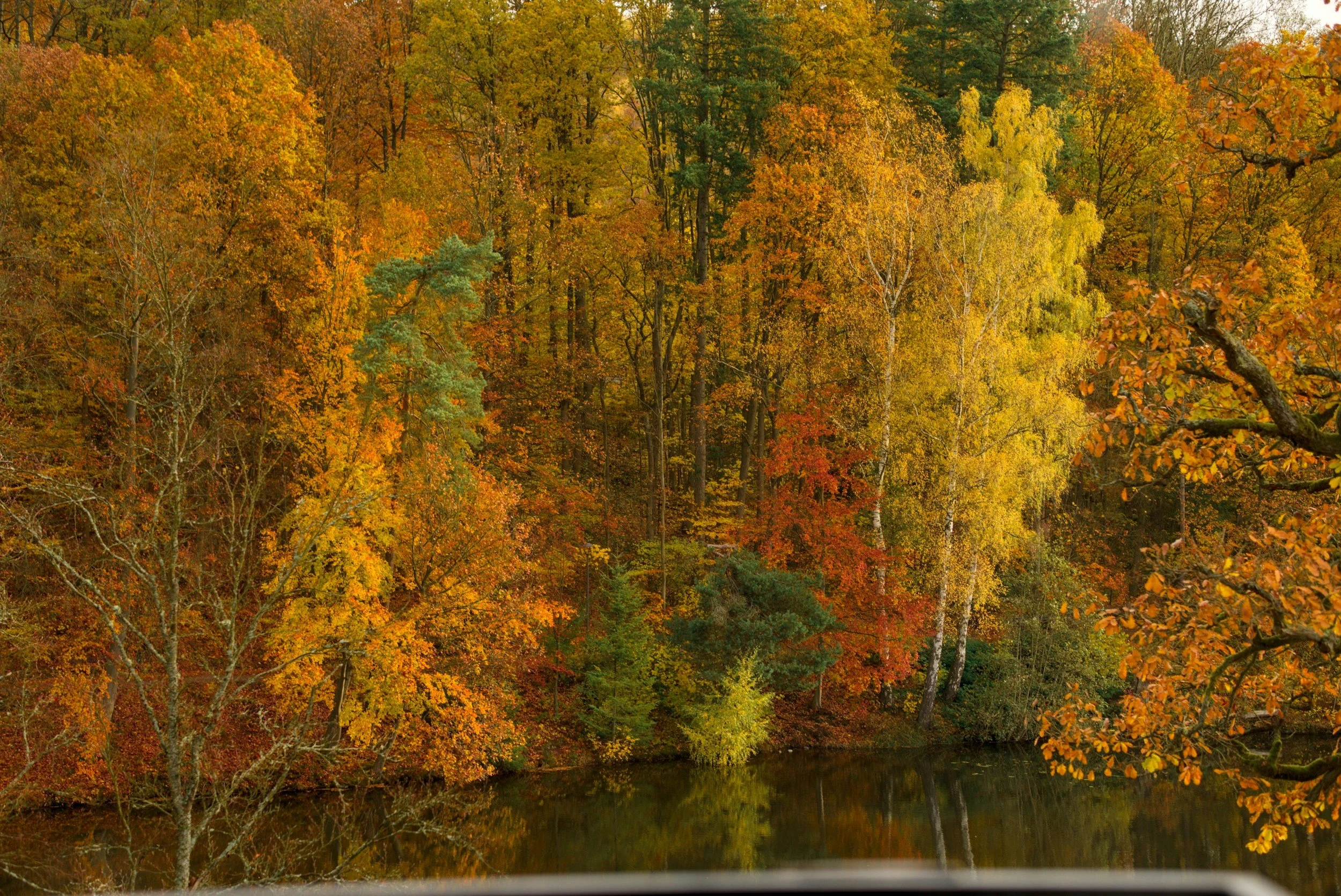
During October, the river valleys around Pitlochry, Dunkeld, and Aberfeldy transform into an incredible palette of burnt orange, yellow, and red. Pitlochry makes an ideal base for exploring Perthshire in autumn. Sitting alongside the River Tummel, the town is surrounded by dense forest. Nearby, Loch Faskally offers calm waters that create mirror-like reflections of colourful hillsides. Faskally Wood is also home to The Enchanted Forest, an award-winning light and sound event set amidst the autumn trees. For travellers visiting in 2026, the event runs from 8 October through 8 November, offering a memorable evening walk through illuminated woodland.
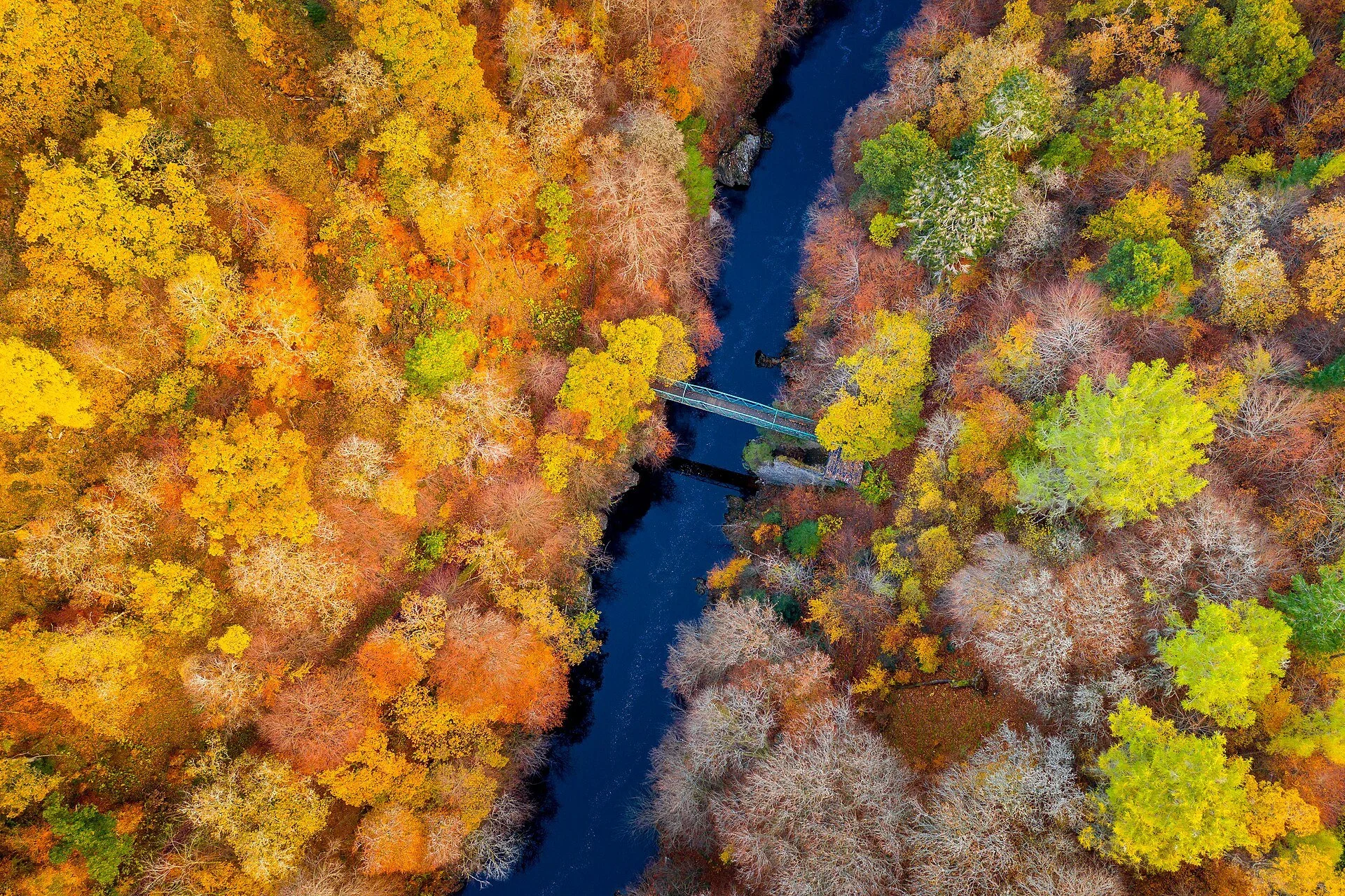
Autumn In Perthshire, Killiecrankie by Ian Dick from Glasgow, UK
A short drive further along the valley brings you to Killiecrankie. According to the National Trust for Scotland guide to Killiecrankie, this dramatic wooded gorge is celebrated both for its rich autumn colours and its place in Jacobite history. A walk along the River Garry here provides spectacular views of steep, tree-covered gorge walls meeting tumbling river waters.
Continuing through the region, no autumn trip to Highland Perthshire is complete without visiting Dunkeld and nearby woodland paths. Dunkeld itself is a charming historic town on the banks of the River Tay, featuring an ancient cathedral and independent bakeries that make wonderful stops on a crisp autumn afternoon.
Just outside Dunkeld lies The Hermitage, a designated site managed by the National Trust for Scotland. The National Trust for Scotland's Hermitage guide highlights autumn as perhaps the most spectacular time to visit this historic forest. Created in the 18th century as a pleasure ground for the Dukes of Atholl, The Hermitage features towering Douglas firs standing alongside the rushing River Braan. A level walking path leads visitors through giant trees to Ossian's Hall, an 18th-century folly perched directly over Black Linn Falls. Looking out at the roaring waterfall framed by golden foliage and moss-covered rocks captures the quintessential feeling of a Scottish autumn walk.
Beyond the spectacular scenery, enjoying an autumn trip to Scotland requires arriving with realistic expectations about the weather. Autumn weather is famously changeable. You might wake up to crisp blue skies, encounter a passing rain shower by mid-morning, and watch mist roll over mountain peaks by late afternoon.
Temperatures fall steadily as the season progresses. September sees daytime averages around 14°C (57°F) dropping to 8°C (46°F) at night, while October averages around 10°C (50°F) during the day and 4°C (39°F) at night. By November, daytime averages sit near 7°C (45°F), dropping to 2°C (35°F) after dark. Rainfall is common in autumn, but showers often pass quickly, leaving behind brilliant rainbow displays and dramatic lighting for photography. Packing sensible clothing makes all the difference, and focusing on adaptable layers, a high-quality waterproof jacket, and sturdy waterproof footwear ensures that rain never interrupts your plans. For broader packing advice and general trip preparation, you can consult our practical guide on what to know before travelling to Scotland.
Alongside cooler temperatures and rain, daylight hours also reduce significantly as autumn moves forward across Scotland. In early September, sunrise occurs around 6:30 AM and sunset arrives near 8:00 PM, giving you plenty of time for long road trips. By late October, sunrise shifts closer to 8:00 AM while sunset drops to around 4:30 PM following the change from British Summer Time.
Shorter days mean that trip itinerary planning requires extra attention. Driving times through Highland passes can take longer than online maps suggest, especially on narrow single-track roads. Planning outdoor walks and scenic viewpoints for the middle of the day when light is best allows you to save museum visits, distillery tours, and historical sights for late afternoon, before relaxing in local restaurants or cosy village pubs in the evening.
Shorter days and cooler air bring another frequent question for travellers heading into rural areas: whether biting insects will still be an issue. Many visitors assume that midges disappear instantly once September arrives, but as noted in VisitScotland's midge and tick advice, midge activity depends heavily on local weather conditions.
While midge populations drop sharply as nighttime temperatures fall and early frosts arrive, mild and damp September days can still see midge activity in sheltered Highland locations. By mid-to-late October, midge activity generally comes to an end across most regions. For a complete look at how weather, wind, and seasons impact these insects, see our detailed guide on when midge season is in Scotland and how to avoid bites.
Fortunately, you do not need to spend your entire holiday moving between different hotels to experience Scotland's autumn colours. For travellers staying in Edinburgh, Highland Perthshire and the Trossachs are easily reachable on a day trip. A single day out from the capital allows you to leave urban streets behind, spend hours wandering through golden pine forests at The Hermitage, admire reflections on Loch Faskally, and return to Edinburgh in time for dinner. Having local insight on a day trip ensures you take the most scenic routes and adjust your schedule seamlessly based on current daylight and weather. If you are weighing different times of year for your visit and considering traveling even later in the season, take a look at our guide on why winter is an underrated time to visit Scotland to compare experiences.
Weighing all these seasonal nuances brings us back to the central question, is autumn really a good time to visit Scotland? The answer ultimately depends on what you want from your trip. If you are looking for long, sun-drenched beach days, summer may suit you better. However, if you are drawn to colourful forest walks, atmospheric castles surrounded by mist, quieter scenic roads, and cosy evenings, autumn is arguably hard to beat. By preparing for changing weather, dressing in warm layers, and planning your days around shorter sunlight hours, a fall journey through Scotland provides memories and scenery that stay with you long after you return home.