
The dream of visiting Scotland usually starts with an image of a mist-covered glen, a rugged castle perched on a cliffside, or a quiet evening in a local pub with a glass of single malt. For most people, the decision to come here is the easy part. However, as many first-time visitors quickly discover, the logistics of reaching the Highlands or navigating the streets of Edinburgh require more than just a sense of adventure. Planning a trip to our corner of the world has changed significantly in recent years, particularly regarding how you enter the country and how you manage your time once you arrive. We often speak with guests at Tartan Viking Tours who are surprised by the small details they overlooked during the booking phase. While we love helping people discover the stories behind our landscapes, we want every visitor to start their journey on the right foot before they even step off the plane. Proper preparation is the difference between a holiday spent worrying about paperwork and one spent soaking in the atmosphere of the Isle of Skye.

Eilean Donan Castle on route to the Isle of Skye
Managing Entry Rules and Vital Documentation
One of the most important updates for anyone planning a trip in 2026 is the full implementation of the UK Electronic Travel Authorisation, commonly known as the ETA. This is a digital permission to travel that is now mandatory for many visitors who previously did not need a visa to enter the UK. It is essential to understand that this is not a suggestion but a requirement for boarding your flight. Even if you are just passing through a UK airport in transit, you will likely need this document. The process is managed through the official GOV.UK ETA page and costs £10 per applicant. It is linked digitally to your passport and usually stays valid for two years. However, you should never leave this until the day of travel. Most applications are processed quickly, but some can take a few days if further checks are required. Furthermore, you should verify whether your specific nationality requires a Standard Visitor visa instead of an ETA. The rules differ depending on your home country, and the GOV.UK website provides a helpful tool to check your specific requirements based on your passport.
If you do require a Standard Visitor visa, the application is more involved and should be started months in advance. This visa allows you to stay for up to six months for tourism or visiting family. It is always better to be over-prepared with your documentation. Many travellers make the mistake of assuming that old rules still apply, but with the UK enforcing digital permissions more strictly than ever, checking the latest updates is a vital first step. Even with a valid visa or ETA, your passport remains your most critical piece of equipment. A common error we see is visitors travelling on a passport that is near its expiry date. While some countries allow entry right up until the date of expiry, many international carriers and immigration rules suggest or require at least six months of validity remaining from the date you intend to leave the UK. Additionally, you should ensure your passport is in good physical condition. A torn page or significant water damage can lead to a refusal at the boarding gate, which is a devastating way to start a trip.
Health Safety and Preparing for the Elements
Once your documents are in order, you must consider your health and safety. Scotland is proud of the National Health Service, or NHS, which provides incredible care to residents. However, it is a common misconception that all healthcare is free for overseas visitors. While emergency treatment in an Accident and Emergency department is generally provided without an upfront charge, any follow-up care, hospital stays, or repatriation to your home country can result in significant bills. The NHS Inform website provides a clear factsheet for holidaymakers from overseas which outlines exactly what is and isn't covered. Consequently, comprehensive travel insurance is non-negotiable. Your policy should cover medical emergencies, trip cancellations, and specifically any outdoor activities you plan to enjoy. If you intend to go hiking in the Cairngorms or take a boat trip on the North Coast, check that your insurance does not have exclusions for these activities.
If there is one thing that defines the Scottish experience, it is the weather. We often joke that you can experience four seasons in a single hour, and in the Highlands, this is a literal reality. Preparing your wardrobe for Scotland is not about looking fashionable in a city centre, but about staying dry and warm enough to enjoy the scenery. The secret to a successful trip is layering. Even in the height of summer, the temperature can drop significantly when the sun goes behind a cloud or when you gain elevation. A high-quality waterproof jacket is the most important item you will pack. Note that we say waterproof, not water-resistant. Scottish rain, often accompanied by strong winds, will find its way through a cheap poncho in minutes. Furthermore, you should consider your footwear carefully. If you are joining us for a day of exploring historical sites, you will likely encounter uneven cobblestones, muddy paths, and wet grass. Sturdy, waterproof walking shoes or boots are much more practical than trainers. Similarly, do not forget a small daypack to carry your layers as you peel them off and put them back on throughout the day. Having the right gear means you can stand on a hillside and appreciate the view rather than rushing back to the car because you are shivering.
Money Logistics and Navigating the Land
When it comes to spending money, Scotland is increasingly a cashless society. From the smallest coffee shops in Glasgow to the gift shops in the Highlands, contactless payments and mobile wallets are the norm. You will find that Visa and Mastercard are accepted almost everywhere. However, it is still wise to carry a small amount of British Pound Sterling in cash. Some very remote areas or smaller B&Bs may still prefer cash, and it is helpful for small tips or honesty boxes found at rural trailheads. Tipping in Scotland is appreciated but not mandatory or expected in the way it is in North America. In restaurants, a tip of around ten percent is standard for good service. If you are using your phone for payments, ensure you have a data plan that works in the UK. While free Wi-Fi is common in hotels and cafes, you will need a reliable connection for GPS and maps when you are out exploring. Many visitors find that buying a local SIM card or an eSIM is the most cost-effective way to stay connected.
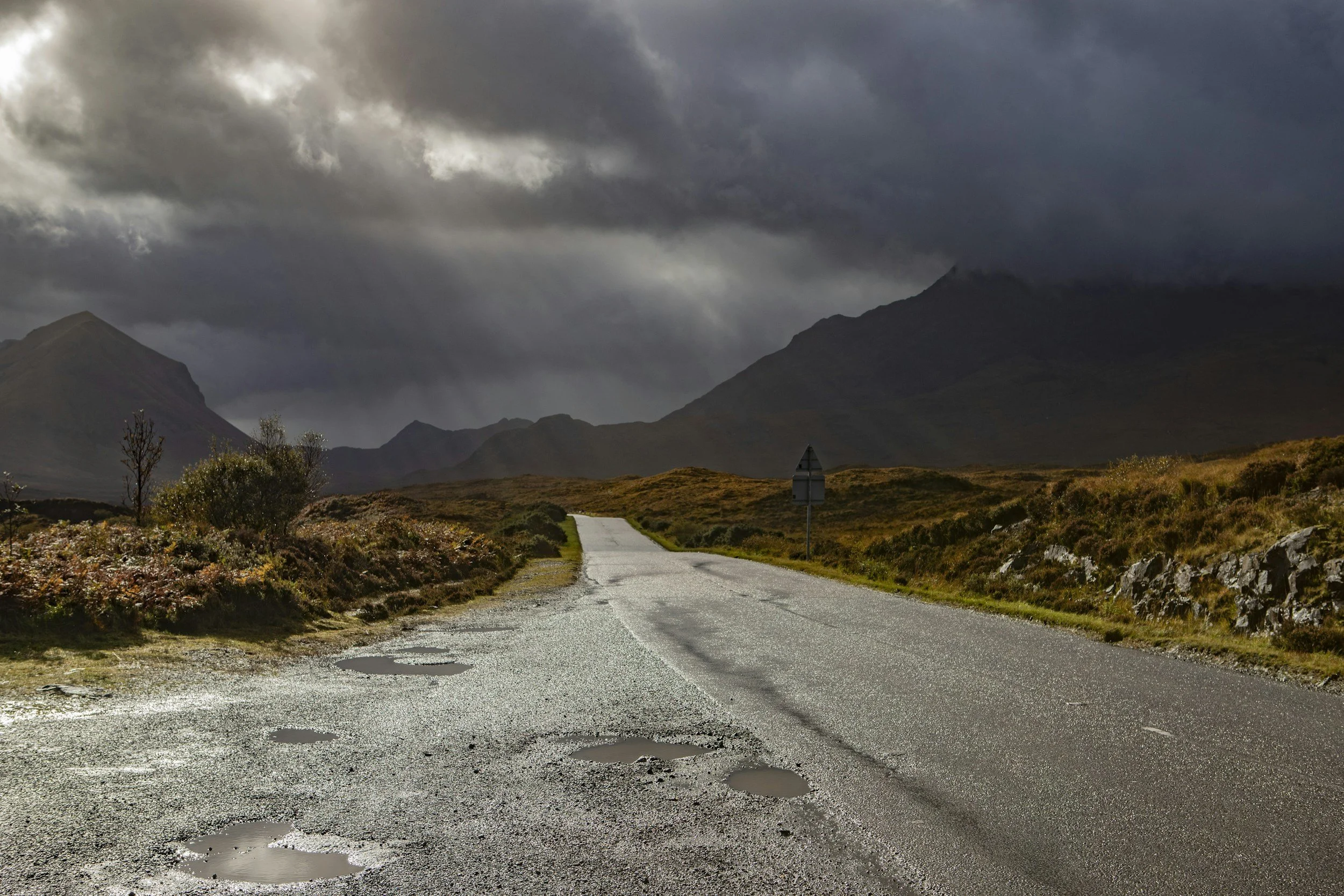
Transport in Scotland is an adventure in itself. If you plan to drive, remember that we drive on the left side of the road. More importantly, many of the most beautiful roads in the Highlands are single-track. This means the road is only wide enough for one vehicle, and you must use the designated passing places to allow oncoming traffic to pass. This requires a bit of patience and a friendly wave to your fellow drivers. If you prefer not to drive, Scotland has an extensive rail network. The journey from Glasgow to Mallaig on the West Highland Line is often voted one of the most beautiful train rides in the world. However, trains and buses in rural areas can be infrequent. Consequently, you should always check timetables in advance and book your tickets through official channels. For many visitors, the best way to see the hidden gems without the stress of navigating narrow roads is to use a local guide. At Tartan Viking Tours, we often find that our guests enjoy the landscape much more when they are not worried about the gearbox or finding a parking space at a busy viewpoint.
Avoiding Common Mistakes and Respecting the Landscape
One of the most frequent mistakes travellers make is trying to see too much in a short space of time. Scotland may look small on a map, but the roads are winding and the scenery is distracting. Driving from Edinburgh to the Isle of Skye takes much longer than the mileage suggests. We recommend picking a few key areas and exploring them deeply rather than spending your entire holiday looking through a windscreen. Another error is failing to book accommodation and popular attractions well in advance. During the summer months and the Edinburgh Festival in August, the country reaches capacity. Similarly, the surge in popularity of the North Coast 500 route means that even remote campsites and hotels are booked out months ahead. If you have your heart set on a specific castle or a particular distillery tour, check their booking requirements early.
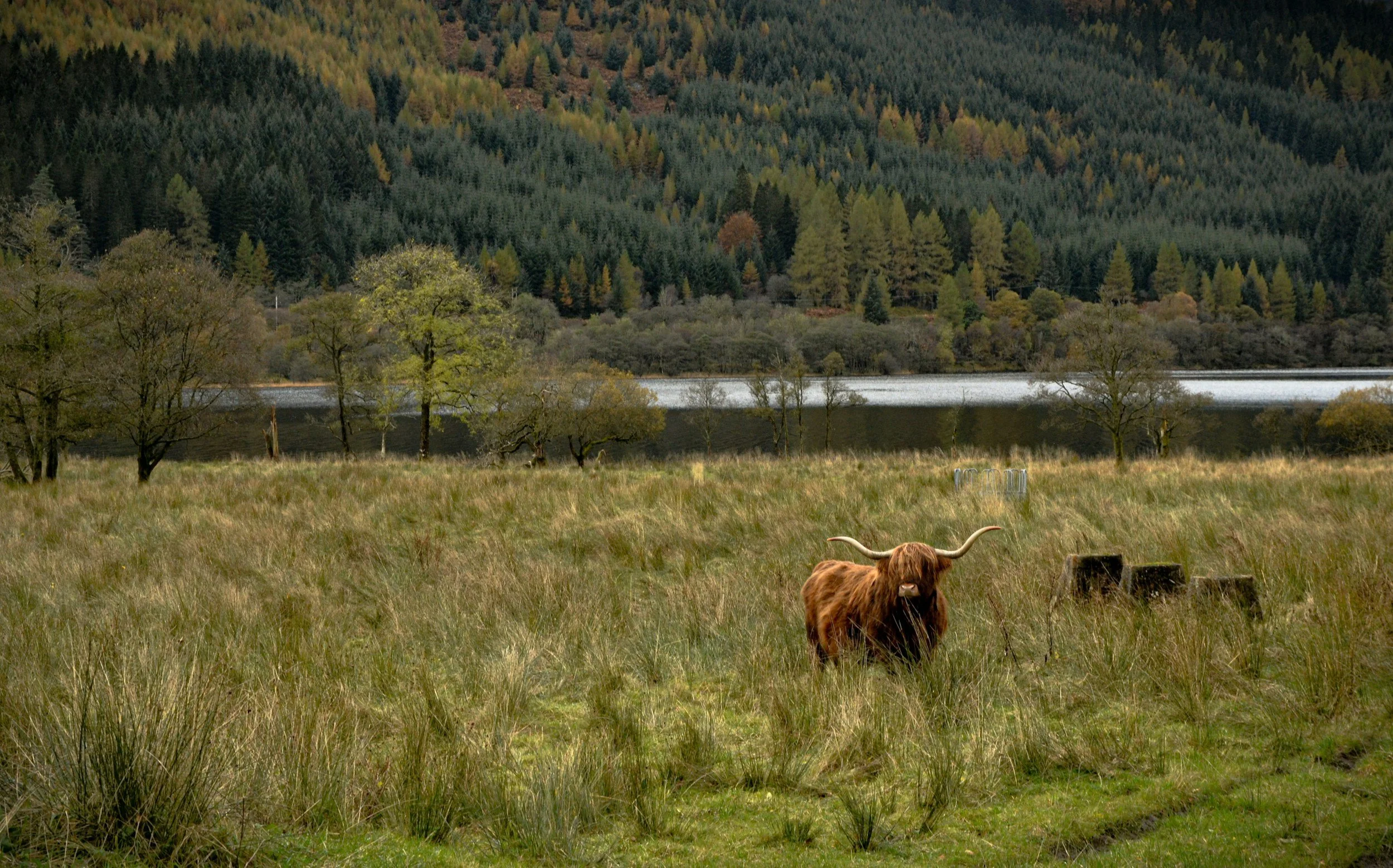
Highland cows are a regular sight throughout the glens and a highlight for many visitors.
Finally, remember that Scotland is a living, working landscape. When you visit our glens and beaches, follow the Scottish Outdoor Access Code. This means respecting the environment, keeping dogs on leads near livestock, and taking your litter home. A little bit of respect goes a long way in keeping Scotland beautiful for everyone. A well-prepared trip means more time enjoying Scotland and less time dealing with avoidable problems. When you have your ETA confirmed, your layers packed, and your transport sorted, you are free to truly connect with the culture and history of our home. Preparation is not about removing the spontaneity of travel, but about building a foundation that allows you to be spontaneous without the stress. We look forward to seeing you here soon. Whether you are wandering the Royal Mile or standing in the shadow of Ben Nevis, you will find that a little bit of local knowledge and a lot of preparation make all the difference. Safe travels, and we hope to see you on the road.