
How Many Days Do You Need in Scotland? 1, 3, 5, 7 and 10 Day Itinerary Ideas.
The most frequent question we hear from those planning a trip across the Atlantic or over the border isn’t about the best whisky or the likelihood of rain. Instead, it is almost always how many days are actually required to see Scotland. It is an understandable dilemma because on a map, Scotland looks relatively compact, particularly when compared to the vast distances of North America or Australia. However, the reality of Scottish travel is dictated by the geography of the land itself. Our roads twist through ancient glens, skirt the edges of deep lochs, and often narrow down to single tracks where the local sheep have right of way. Deciding on the length of your stay is the most important step in ensuring your trip feels like a holiday rather than a marathon. There is no single perfect number of days; the right answer depends entirely on your personal pace, your specific interests, and how much of the country you want to truly experience versus simply seeing through a car window.
Whether you have a single day to spare or a full ten-day window for a deep dive into the Highlands and islands, understanding what is realistic will help you avoid the common trap of over-scheduling. Scotland is a place that rewards the patient traveller, yet it is also a country that can be remarkably generous to those who only have a short time to explore.
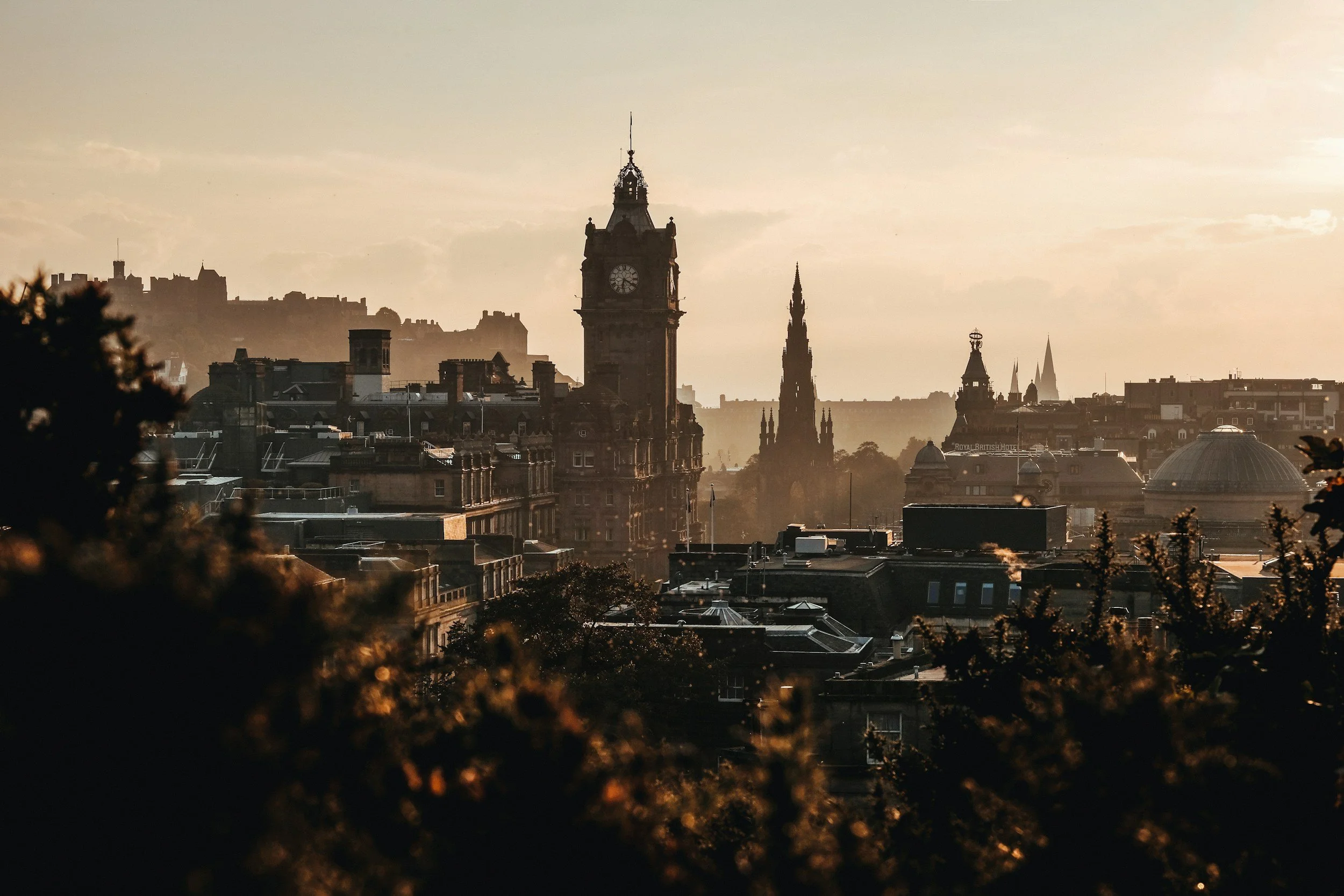
Edinburgh in Golden Hour
Naturally, there are times when a single day is all you have, perhaps as a stopover on a wider UK journey or a short break while based in one of our major cities. It is a common misconception that you cannot experience Scotland in a day. While you certainly cannot see the whole country, you can absolutely capture its essence if you remain focused. A one-day itinerary should be about depth rather than distance. If you are based in Edinburgh or Glasgow, the temptation is often to try and drive all the way to the Isle of Skye and back. We strongly advise against this. You would spend upwards of ten hours in a vehicle, missing the very scenery you came to see. Instead, a single day is best spent exploring the historic architecture and volcanic crags of the capital, or perhaps heading into the nearby Trossachs. Instead, an eight-hour day spent exploring the nearby Trossachs and Glencoe provides a genuine Highland feel, complete with lochs and mountains, without the gruelling twelve-hour slog required to reach the far north of scotland and back.
For those with only twenty-four hours, a Private Scotland Tour is often the most efficient way to travel. Having a local guide who understands the nuances of the roads and the timing of the sites means you do not waste precious hours navigating or looking for parking. You can focus on a specific theme, such as history or scenery, ensuring that your one day feels like a complete and curated experience rather than a rushed commute.
Naturally, as you extend that stay to three days, the pace begins to relax. This timeframe is ideal for those who want to combine the cultural buzz of a city with one significant foray into the wilder parts of the country. With three days, you have the opportunity to stay overnight in a different location, which opens up the map considerably. You might spend your first day soaking up the history of the Royal Mile before heading north. This allows for a more meaningful exploration of the Cairngorms National Park or the rugged West Coast. You could spend a day wandering through the atmospheric ruins of a Highland castle and another exploring the banks of Loch Ness, but it is important to remember that three days is still a snapshot. The key to a successful three-day trip is to pick one direction and stick to it. If you try to see both the East and West coasts, you will find yourself rushing past the very landscapes you want to photograph.
While a short break offers a fantastic introduction, five days is often the tipping point where a trip transforms from a visit into a proper journey. This is the minimum amount of time we recommend if you have your heart set on visiting the islands or the true northern Highlands. Logistics in Scotland, particularly involving ferries to the Hebrides or the Northern Isles, require a bit of buffer time. Weather can be unpredictable, and ferry schedules are not always as frequent as city buses. Consequently, with five days, you can commit to a specific region and truly get under its skin.
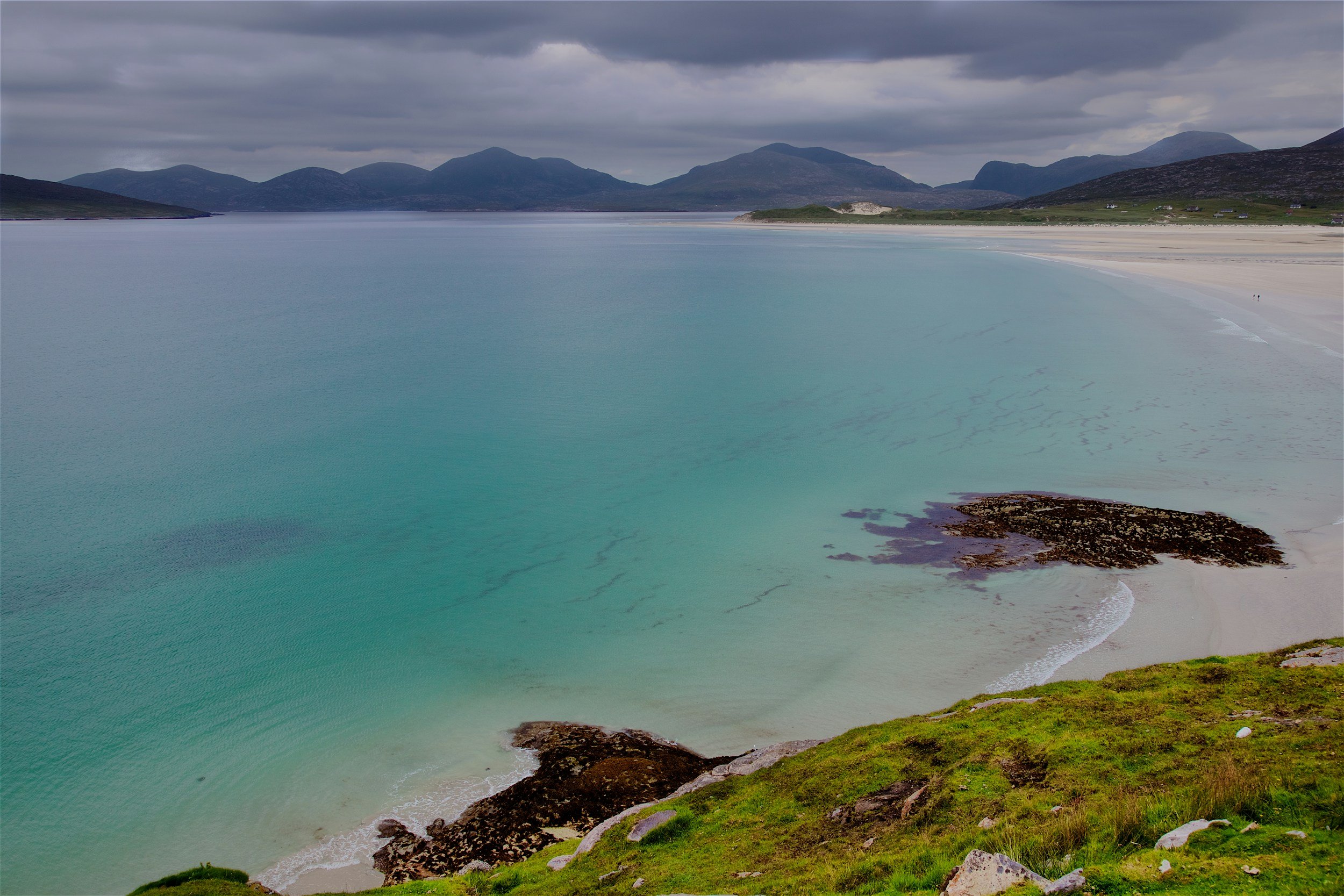
The surprising white-sand beaches of the Scottish islands.
For example, a 5 Day Orkney and NC500 Tour takes advantage of this timeframe to head to the prehistoric sites of the Orkney archipelago and the dramatic cliffs of the north coast. Similarly, a 5 Day Outer Hebrides Tour allows enough time to experience the unique Gaelic culture and white-sand beaches of Lewis and Harris without feeling like you are constantly checking your watch for the next departure. Five days is perfect for travellers who have a specific interest, whether that is Neolithic history, island hopping, or the coastline. It allows for a pace that includes short walks and the chance to meet locals rather than just observing them from a distance.
Furthermore, seven days is often the timeframe that provides the most classic balance for a first-time visitor. A week in Scotland provides enough room to breathe between the must-see landmarks and the slower, more authentic moments that define a great holiday. You no longer have to choose between a city experience and a Highland adventure, you can comfortably do both. A seven-day itinerary typically allows for a few days in the capital followed by a loop that takes in the Highlands and perhaps an island like Mull. If the wilder side of the Inner Hebrides appeals to you, a 4 Day Isle of Mull Private Tour can be perfectly integrated into a week-long stay, offering a deep dive into volcanic landscapes and ancient clan fortresses. The beauty of a seven-day trip is the reduction in travel fatigue. You can afford to stay in the same accommodation for two nights in a row, which makes a massive difference to how refreshed you feel. Instead of packing and unpacking every morning, you can use a central Highland base to explore the surrounding glens at your leisure.
For those who wish to delve even deeper into the character of the country, ten days is the ultimate way to experience Scotland. If you have the time, this duration allows for a comprehensive loop of the country that feels like a true odyssey. This is the timeframe for the traveller who wants it all: the cities, the remote peninsulas, the famous Scottish castles, and the islands that require a bit more effort to reach. When you have ten days, the map truly opens up. You can venture deep into the Highlands, spend significant time on the Isle of Skye, and perhaps even include the rugged beauty of the Applecross peninsula (which is amazing!).
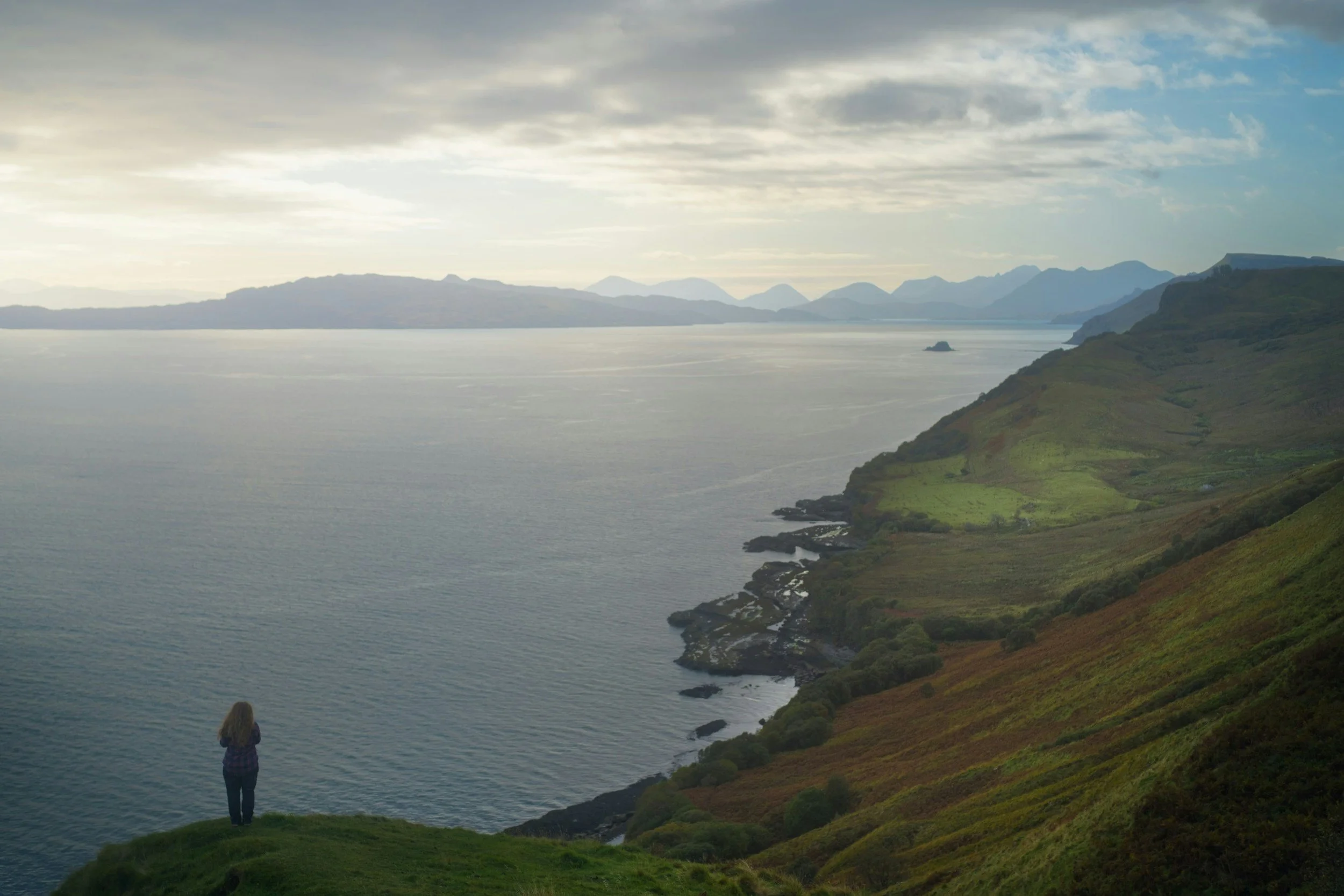
The rugged beauty of the Isle of Skye
It allows for a much more immersive experience. You aren't just seeing a castle, you are learning its full, bloody history. You aren't just driving past a loch, you are taking the time to hike to a viewpoint or perhaps even sit quietly on its banks. Our 10 Day Beast Scotland Tour was designed specifically for this timeframe. It serves as an example of how a longer trip can weave together the diverse threads of Scottish identity, the Viking influence in the north, the Gaelic heartlands of the west, and the royal history of the central belt. Ten days gives you the breathing space to get off the primary tourist routes. You can visit the spots that the large tour buses cannot reach and discover the quiet corners of the country that remain largely unchanged by time.
Regardless of the duration you choose, the logistics of travel require a bit of local insight to ensure the journey remains seamless. For those looking to dig into the finer details of entry requirements or seasonal shifts, our guide on what to know before travelling to Scotland is an excellent starting point for practical preparation. Furthermore, using official resources can help you visualise the distances and historical context of your chosen stops. The VisitScotland travel planning guide and their suggested itineraries offer a wealth of inspiration for mapping out your route.
If your journey involves the islands, keeping an eye on Caledonian MacBrayne ferries is essential for understanding crossing times and port locations. For those focusing on the architectural heritage of the country, Historic Environment Scotland and the National Trust for Scotland provide comprehensive lists of the castles, gardens, and battlefields that define our landscape. These tools, combined with a clear understanding of your available time, ensure that your planning remains a joy rather than a chore.
However, it is important to remember that these official guides are essentially blueprints. To truly make an itinerary your own, you need a level of customisation that a standard list cannot provide. This is where our Bespoke Highland Tours come in. We take those initial sparks of inspiration you find in travel guides and refine them into a tailored journey. Whether you want to focus on ancestral roots, specific film locations, or simply want to find the quietest glens away from the crowds, we build the experience entirely around your schedule and your soul.
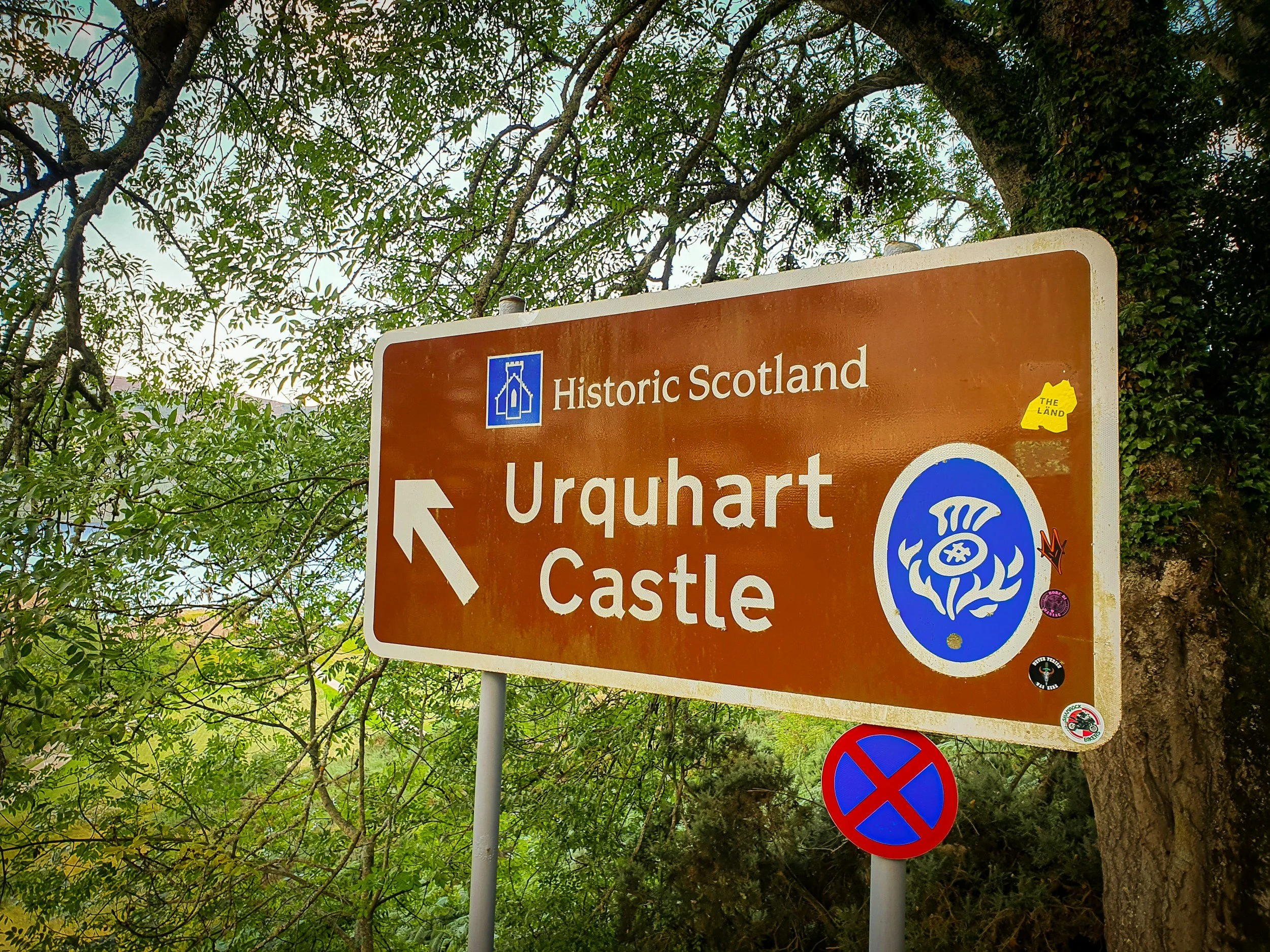
Urquhart Castle is located in the Scottish Highlands on the northwestern shore of Loch Ness
Deciding on an itinerary is one thing, but executing it is another. Scotland’s logistics can be complex. Between navigating narrow roads, managing ferry bookings, and understanding which historic sites require advance tickets, the planning can become a significant task. This is where a guided tour becomes a valuable asset, especially when your time is limited. A local guide doesn’t just drive the vehicle, they act as a storyteller and a problem-solver bringing the land to life. You might find our guide Arron, for example, meticulously timing a drive just to make sure you are at a specific viewpoint exactly when the light is perfect for your photos. By taking the logistical weight off your shoulders, a tour allows you to be fully present in the experience. Whether you choose a pre-planned route or a bespoke private journey, you are essentially buying back time. Time that would otherwise be spent staring at a map or worrying about a ferry connection.
Ultimately, whether you have one day or ten, Scotland will leave its mark on you. There is no wrong way to see the country, provided your expectations match your timeframe. A one-day visit is a brilliant introduction that will likely leave you planning your return. A ten-day adventure is a life-changing immersion into one of the most beautiful landscapes on earth. The best trip is the one that allows you to see the Scotland you have always dreamed of at a pace that lets you actually enjoy it. Take a look at your calendar, consider what matters most to you, and we look forward to seeing you in the Highlands.