
Harry Potter filming locations in Scotland including the famous train spot.
The dream of standing on a heather-clad hillside while a steam train billows white smoke across a Victorian viaduct is what brings thousands of people to Scotland every year. It is an iconic image that has come to define the Highlands for a new generation of travelers. However, the reality of capturing that moment often involves a lot more logistical maneuvering than a simple film montage would suggest. For many visitors, the search for Harry Potter locations can become a frantic race against a ticking clock, leading to long hours in a car and missed opportunities. Our goal with this guide is to help you move past the trivia and into a functional, enjoyable itinerary. Scotland is a vast and rugged place, and its weather is famously unpredictable. To see the best of the filming locations without exhausting yourself, you need to understand where the cameras actually rolled, where the inspiration lived, and how to navigate the miles in between. We want you to spend less time looking at your GPS and more time looking at the landscape.
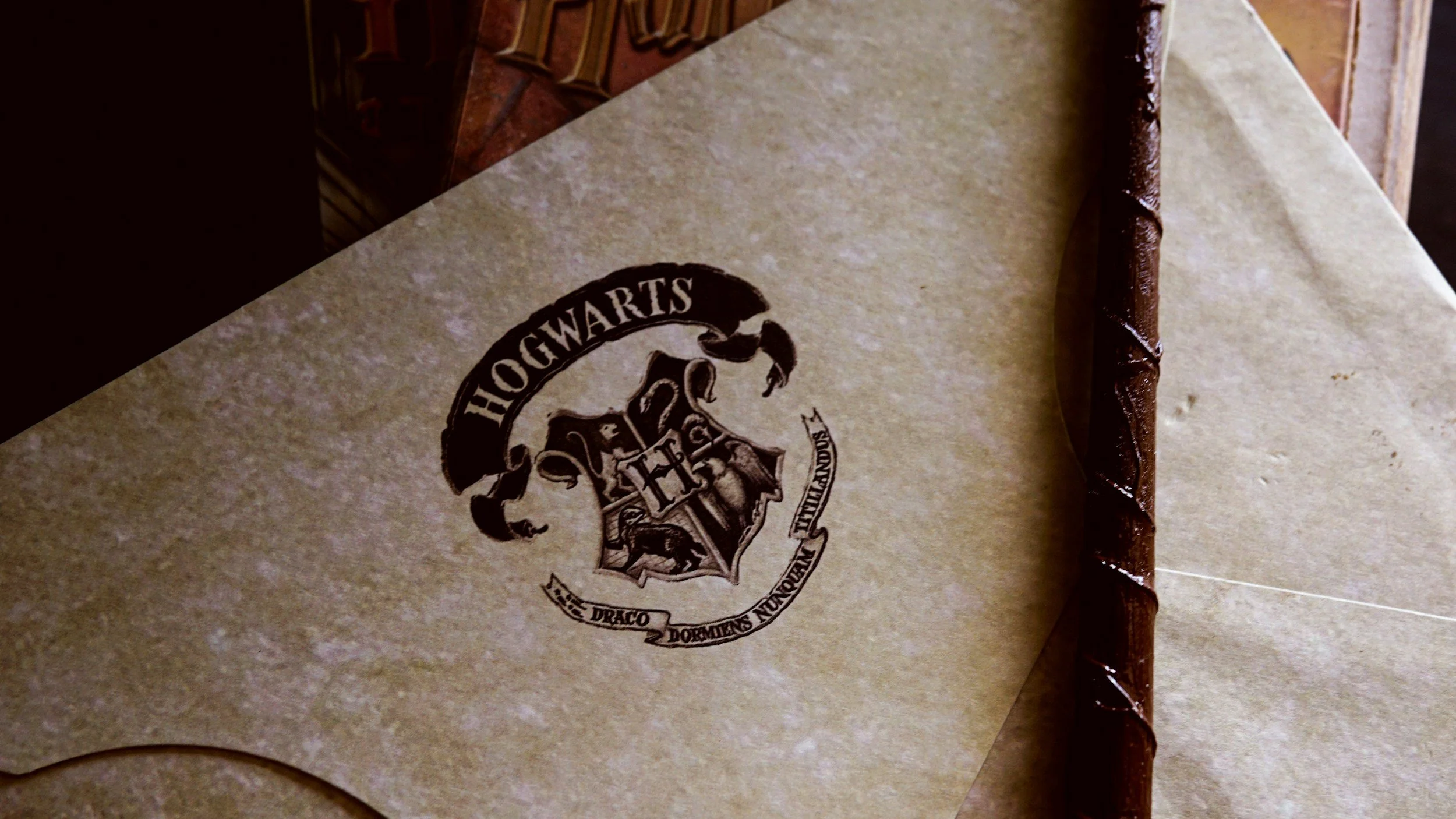
To begin your journey, it is essential to start by defining the line between inspiration and reality. One of the most frequent points of confusion for visitors is the difference between where the stories were imagined and where they were filmed. Edinburgh is often touted as the home of Harry Potter, and while this is true in a creative sense, it is important to realize that no filming for the movie franchise took place in the capital. The winding, cobblestone streets of the Old Town and the gothic spires of the city's private schools provided a rich visual palette for the author J. K. Rowling, but you will not find the Forbidden Forest or the Black Lake here. If your heart is set on seeing the landscapes from the films, you must look toward the West Highlands. This distinction matters because Edinburgh and the Highlands are roughly three to four hours apart by road. Trying to treat them as the same destination usually results in a very long day of driving with very little time spent actually on the ground. Consequently, the first step in a smart plan is deciding whether you want to explore the history of the writing in the city or the scale of the cinematography in the mountains. Furthermore, Edinburgh offers inspiration spots like Greyfriars Kirkyard, where names on tombstones notably mirror famous characters, and Victoria Street, which many believe influenced the look of Diagon Alley. These are wonderful for a walking tour, but they offer a completely different energy than the sweeping, cinematic scale of the Highlands. Understanding this early prevents the frustration of arriving in the North and wondering why it looks nothing like the city streets you just left.
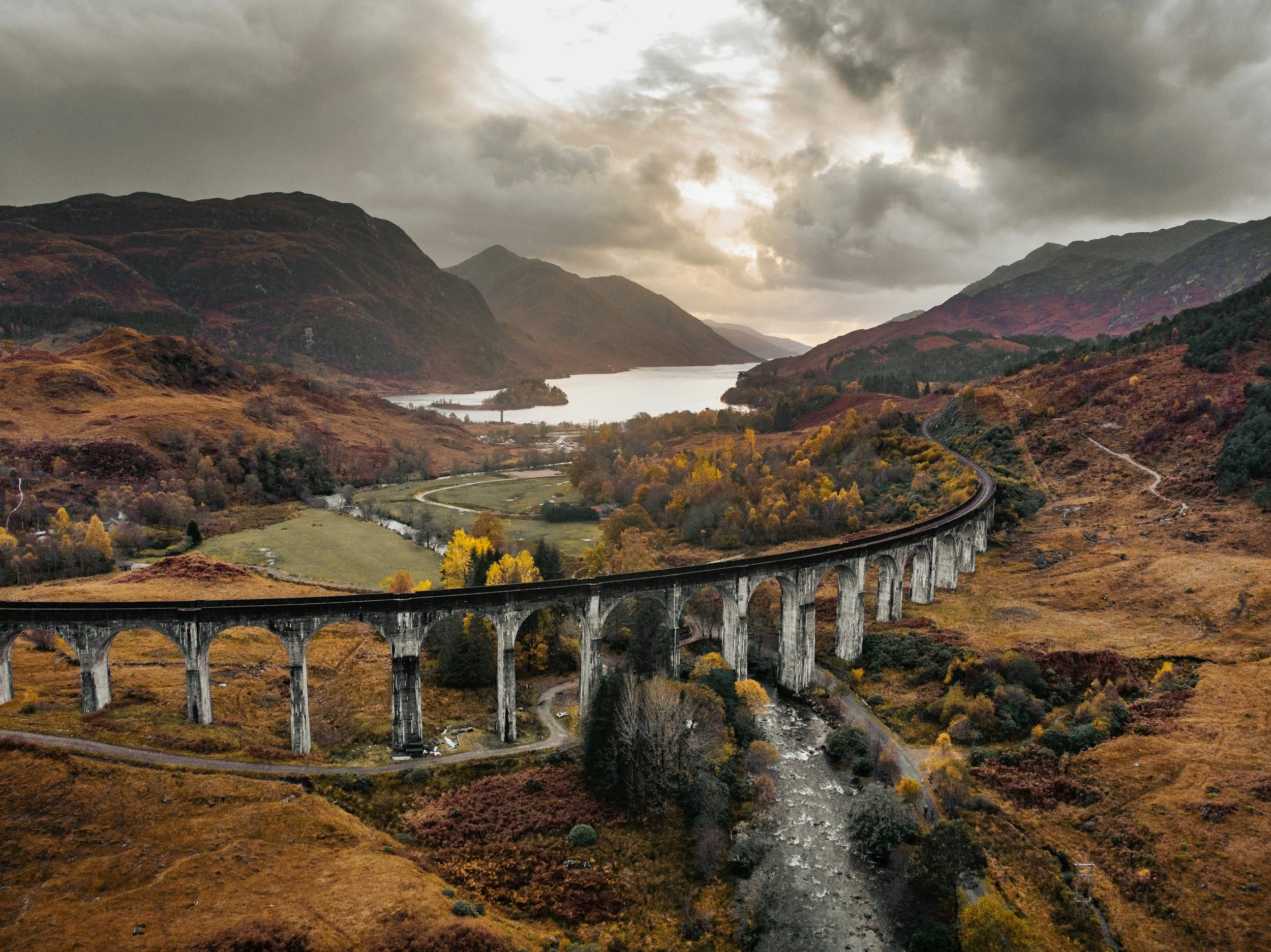
Glenfinnan Viaduct
Once you head north, you will likely be searching for the famous train and the Glenfinnan viewpoint. The centrepiece of any Potter-themed trip is the Glenfinnan Viaduct, the "train spot" that everyone is looking for. It is situated about twenty miles west of Fort William and serves as the backdrop for the Hogwarts Express as it makes its way toward the school. The train itself is known in the real world as the Jacobite Steam Train. To see the train crossing the bridge, you cannot simply turn up at any time. The service generally runs from early spring through late autumn, typically with crossings in each direction per day. If you arrive at noon and the train passed at 10:45 AM, you are looking at a very impressive empty bridge. Furthermore, the walk from the car park to the optimal viewpoint takes about fifteen to twenty minutes on a steady incline. This means you should aim to be parked at least an hour before the train is scheduled to pass. The area around the viaduct is also home to Loch Shiel. In the films, this vast body of water stood in for the Black Lake. While the castle was added via digital effects, the surrounding peaks and the moody atmosphere of the water are unmistakable. Standing at the Glenfinnan Monument gives you a panoramic view of this landscape, allowing you to experience the scale of the Highlands without needing a film crew's budget.
The journey continues as you head south toward Glencoe, eventually finding Hagrid’s Hut in the heart of the glen. Moving from Glenfinnan toward the dramatic pass of Glencoe, you find the landscape used for some of the most emotional moments in the middle films. Specifically, the area near the Clachaig Inn served as the location for Hagrid’s Hut in the Prisoner of Azkaban. While the actual set was removed after filming concluded to protect the natural environment, the footprint of the location remains recognisable to anyone who knows the films well. When you stand on this hillside, looking out over the glen, it is easy to see why the location scouts chose it. The jagged peaks of the Three Sisters provide a sense of isolation and ancient scale. However, visiting this spot requires a bit of grounding. You are looking for a specific viewpoint rather than a physical building. If you plan to stop here, it is best to combine it with a meal at the nearby inn, allowing you to soak in the atmosphere of the glen without feeling like you are just ticking a box on a list. The walk from the Clachaig Inn is short but can be boggy, so sturdy footwear is a necessity.
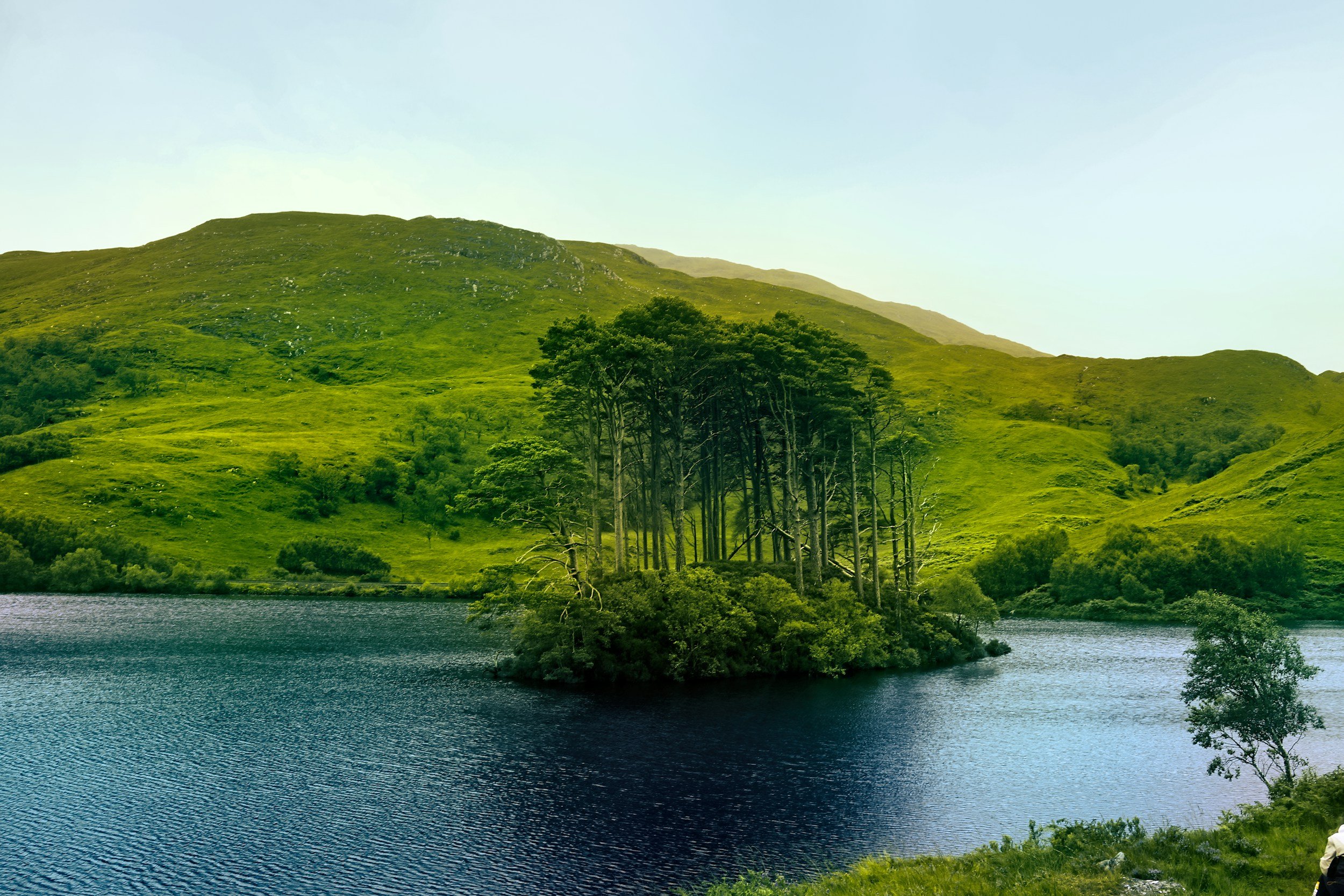
Eilean na Mòine in Loch Eilt
While the famous landmarks draw the crowds, there is a quiet solemnity to be found at Dumbledore’s resting place. Another essential stop for those seeking genuine filming locations is Loch Eilt. Located on the road between Fort William and Mallaig, this loch contains a tiny, tree-filled island called Eilean na Moine. This is the location used for Dumbledore’s final resting place in the Deathly Hallows. Unlike the crowded viaduct, Loch Eilt is often quiet and overlooked. There is no large visitor center or dedicated parking lot, just a few small lay-bys on the side of the A830. This makes it a perfect example of a high-clarity stop. It requires very little time to see, but the emotional payoff is significant because the island looks exactly as it did on screen. It is a hauntingly beautiful spot that captures the somber tone of the later films perfectly. Furthermore, the West Highland Line runs right along the edge of the loch, so if your timing is lucky, you might even see the steam train pass by this location as well.
To make all of this achievable, choosing a practical base for your journey is the most important logistical decision you will make. Fort William is often called the outdoor capital of the UK, and for the purposes of this trip, it is your most strategic base. While some travelers try to visit the viaduct as a day trip from Edinburgh or Glasgow, the round trip can easily exceed eight hours of driving. By staying in or near Fort William, you put yourself within a thirty-minute drive of the viaduct, as well as close to Glencoe and the Steall Falls area. Steall Falls featured the spectacular dragon chase in the Triwizard Tournament and is a rewarding hike for those with a bit more energy. Staying locally allows you to be flexible. If the morning weather is heavy with mist and rain, you can wait for a clearer afternoon window without the pressure of a three-hour return journey hanging over you. Moreover, Fort William is where the Jacobite Steam Train begins its journey. Even if you aren't riding the train, visiting the station in the morning allows you to see the engine up close, smell the coal smoke, and talk to the staff before they depart for Mallaig.
With your base established, you can apply a simple approach to planning your route. When we approach these journeys with our guests, we lean into a more personal, bespoke philosophy of travel. Rather than following a rigid checklist, we view the Highlands as a landscape that requires a professional eye to navigate effectively. A well-crafted route is about more than just a map; it is about understanding the flow of the day, from the shifting light on the hills to the specific timing of the steam engine. This guided approach ensures that your experience is built entirely around you, rather than a generic itinerary. For instance, if your heart is set on the Glenfinnan Viaduct, we prioritise that narrow window above all else, allowing the rest of the day to unfold naturally based on your specific interests, whether that means a detour to the site of Hagrid’s Hut or finding a quiet moment at Loch Eilt. This level of personalisation removes the stress of the clock and allows you to actually be present in the moment. Whether you have one day or several, the key is separating the filming backdrops from the city-based inspirations, ensuring your expectations are aligned with the stunning reality of the North.
Of course, any plan must involve adapting to the Highland reality. The Highlands are beautiful because they are wild, but that wildness comes with practical challenges. One of the biggest factors that can change your plan is the weather. Low clouds can completely obscure the viaduct, and heavy rain can make the viewpoint paths slippery and difficult. Furthermore, daylight hours in Scotland fluctuate wildly. In the winter, it can be dark by 4:00 PM, whereas in the summer, you might have light until 10:00 PM. Crowds are another factor to consider. The popularity of the "Harry Potter bridge" means that the main car park at Glenfinnan often fills up long before the train arrives. If you arrive and find the car park full, you need a backup plan. There is an overflow lot slightly further away, but this adds to your walking time. If the weather is truly abysmal or the crowds are overwhelming, you might choose to skip the main viewpoint and instead head to the shores of Loch Shiel for a quieter, more atmospheric experience. Furthermore, the seasonal nature of the steam train is a detail that many people miss. The Jacobite does not run in the dead of winter. If you are visiting in December, you can still see the bridge, but the regular ScotRail diesel trains that use the line are much less magical in appearance. Checking the seasonal timetable for 2026 before you book your accommodation is an essential step in ensuring you aren't disappointed.
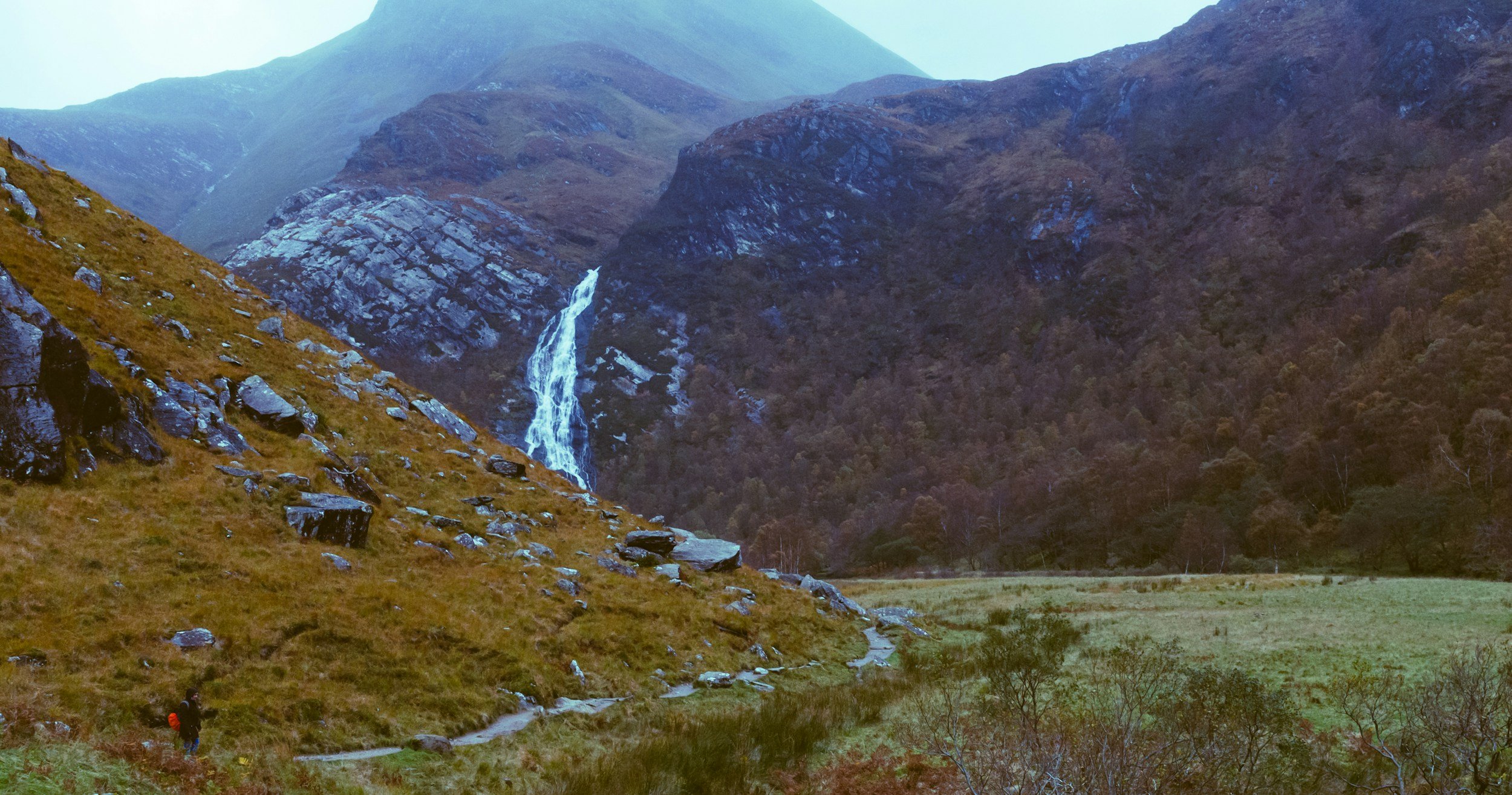
Steall Waterfall
As you finalise your plans, it is worth considering a few common hurdles that can easily catch visitors off guard. One of the most frequent surprises is the sheer scale of the landscape; on a map, the distance between Edinburgh and Glenfinnan might look manageable, but Highland roads are often narrow, winding, and shared with slow-moving livestock or seasonal traffic. While a GPS might suggest a two-hour window, the reality of the terrain often demands much more respect. This is where the value of a dedicated, guided journey truly shines. Instead of white-knuckling the steering wheel or stressing over single-track passing places, you are free to actually look out the window at the scenery that made these films famous. Another mistake is arriving at iconic spots like the Glenfinnan viewpoint without a clear understanding of the terrain; the path is often rough and muddy, and the best vantage points fill up quickly. By having a professional handle the timing and the logistics, you avoid the "rushed" feeling of trying to tick every minor box on a list. It is far more rewarding to focus on high-quality locations like the Viaduct or Dumbledore’s grave and let an expert manage the miles in between, ensuring you arrive at each spot relaxed and ready for the perfect shot.
A great trip through the Highlands isn't about how many pins you can drop on a map in a single day, but how much of the landscape you actually remember. There is a specific kind of magic in standing on a quiet hillside, hearing a steam whistle echo through the glen, and seeing a piece of cinematic history move through a landscape that has remained unchanged for centuries. By clearing away the confusion between Edinburgh’s inspirations and the actual filming spots in the Scottish Highlands, you are already halfway to a better experience. While the logistics of single-track roads and fluctuating train timetables can be a headache to manage on your own, having an expert handle the miles means you are free to stay focused on the view. The Highlands always reward those who take their time. When you let someone else watch the clock and navigate the terrain, you find that the best magic usually happens in those quiet, effortless moments between the famous stops.