
How to Get to the Isle of Skye from Edinburgh
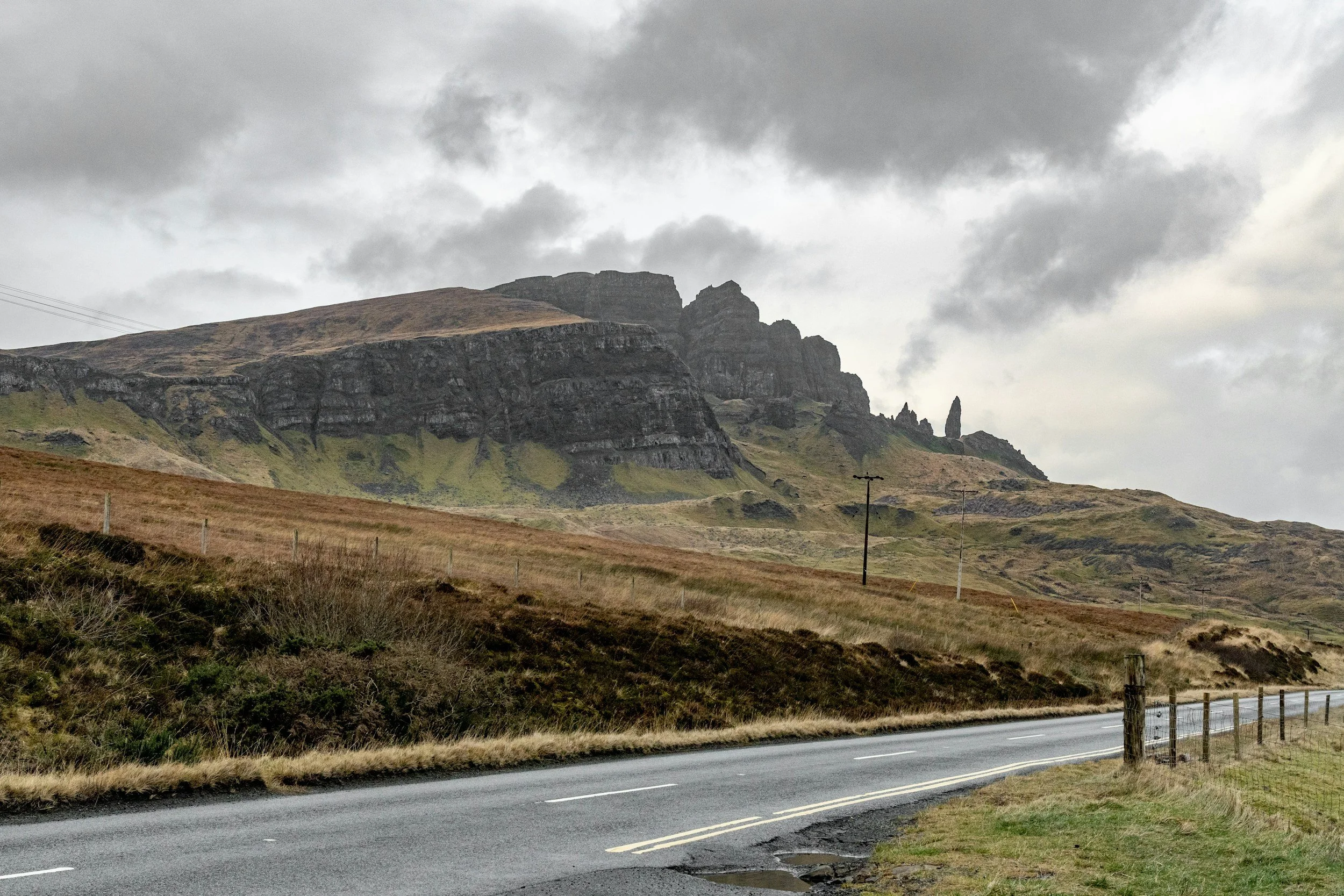
The journey from Edinburgh to the Isle of Skye is one of the most popular routes in Scotland, yet it is also the one that travelers most frequently underestimate. If you look at a map, the distance seems manageable for a morning drive, but the reality of Scottish geography means those 232 miles involve winding glen roads, unpredictable weather, and some of the most distracting scenery in the world (honestly is magical!). You should allow at least five and a half to six hours of pure driving time. However, once you add in stops for coffee, fuel, and the inevitable photo opportunities, you are realistically looking at a full eight or nine hour day of travel.
Understanding what this journey entails is the first step toward making sure your trip is memorable for the right reasons. Skye is not a destination you want to reach while exhausted and frustrated by a long day behind the wheel. Instead, the drive should be treated as a significant part of the experience itself. Whether you choose to get behind the wheel yourself, navigate the rail network, or hire a professional to handle the logistics, the goal remains the same. You want to arrive on the island with enough energy left to actually enjoy the Cuillin mountains and the dramatic coastal cliffs rather than just wanting to collapse into your hotel bed.
When deciding how to undertake this trek, most people find themselves choosing between three distinct styles of travel, each of which suits a different type of traveler. For many, the self-drive option is the default choice because hiring a car in Edinburgh gives you the ultimate freedom to pull over whenever a particular loch or ruin catches your eye. This is particularly useful because Skye is a large island with very limited local infrastructure. Having your own vehicle allows you to reach the more remote trailheads like the Quiraing or the Fairy Pools without relying on a sparse and sometimes unreliable bus schedule.
On the other hand, driving in the Highlands can be taxing for those who are not used to narrow roads or the specific etiquette of using passing places. Furthermore, the driver often misses out on the best views because their eyes must be firmly glued to the tarmac to navigate the tight bends and sudden changes in gradient. This is where a private driver-guide becomes a compelling alternative. When you travel with a local expert, such as the team at Tartan Viking, the logistical burden disappears entirely. You can focus on the landscape while someone else navigates the traffic and the weather. This option also solves the problem of visiting distilleries along the way, as you do not have to worry about the strict Scottish drink-driving laws which make even a single dram off-limits for a driver.
Public transport is the third viable path, though it requires the most patience and meticulous planning. You can take a train from Edinburgh to Inverness and then catch a bus to Portree, or you can take the West Highland Line from Glasgow to Mallaig. The latter is widely considered one of the most beautiful train journeys in the world, taking you over high moors and past deep sea lochs. However, you must keep in mind that once the train or bus drops you off, you are still several miles away from the iconic sights. Public transport travelers often find they need to hire a local taxi or join a day tour once they arrive on the island to actually see the landmarks that brought them there in the first place.
Regardless of your chosen mode of transport, the route you take will define the character of your trip. There are two main ways to drive from Edinburgh, but they offer very different experiences. The most efficient path takes you north through Perth and onto the A9 toward Dalwhinnie, before cutting west across the country. While this route is slightly faster and features more dual carriageway, it lacks the iconic Highland drama that most people are looking for. Consequently, the majority of travelers opt for the route that heads west toward Stirling and then north through Glencoe on the A82.
This route is the quintessential Scottish road trip. As you leave the Lowlands behind, the landscape begins to transform near Loch Lomond. The road narrows and the hills grow steeper until you reach the Rannoch Moor. This vast, haunting peat bog feels like the edge of the world, and it serves as the gateway to Glencoe. Stopping in Glencoe is almost mandatory, but the trick is to do it efficiently without letting the day slip away. A quick stop at the Three Sisters viewpoint provides the scale of the glen without eating up hours of your time. From there, you pass through Fort William, which sits in the shadow of Ben Nevis. While it is a great place to refuel, it can be a bottleneck for traffic, so it is often better to keep moving if you are on a tight schedule.
Once you clear the town, the final leg of the journey takes you toward Kyle of Lochalsh. Shortly before you reach the Skye Bridge, you will encounter Eilean Donan Castle. It is perhaps the most photographed castle in Scotland, and for good reason. Even if you do not have time for a full interior tour, stretching your legs in the car park offers a perfect view of the fortress sitting at the meeting point of three sea lochs. Crossing the bridge itself is a moment of real transition, marking the end of the long road and the beginning of your island adventure.
A question that frequently arises during the planning phase is whether it is possible to see Skye as a day trip from Edinburgh. While technically possible if you are willing to spend twelve to fourteen hours in a vehicle, it is something we strongly advise against. To drive to Skye and back in a single day leaves you with perhaps thirty minutes on the island itself. You would see the bridge, perhaps have a quick look at the mountains from the car park, and then immediately have to turn around to make it back to the city before midnight. Furthermore, driving these roads in the dark is a different challenge entirely. Deer are a constant hazard on Highland roads at night, and the lack of street lighting makes navigation difficult for those unfamiliar with the area. If you only have one day to spare, you would be much better served visiting the Trossachs or the East Neuk of Fife, saving Skye for when you have the time it deserves.
To truly appreciate the journey and the destination, a three-day approach is the gold standard. On a three-day itinerary, you can use the first day entirely for the journey north. This allows you to stop in Glencoe for a short hike and enjoy a leisurely lunch in Fort Augustus by the shores of Loch Ness. By the time you cross the Skye Bridge in the late afternoon, you are refreshed and ready for dinner in Portree rather than being slumped over the steering wheel. The second day can then be dedicated entirely to the Trotternish Peninsula, where the Old Man of Storr, the Quiraing, and Kilt Rock are located. These sites are relatively close to each other, but they require time to walk and explore properly.
Moreover, having a full day on the island gives you a buffer against the temperamental Scottish weather. If it is pouring rain in the morning, you can visit a local craft shop or a distillery and wait for the mist to clear in the afternoon. On the third day, you can take a different route back to Edinburgh to see more of the country. Many travelers choose to take the ferry from Armadale on Skye over to Mallaig on the mainland. This breaks up the driving and provides a beautiful perspective of the Small Isles from the water. From Mallaig, the drive south takes you past the Glenfinnan Viaduct, famous for its appearance in the Harry Potter films. This circular route ensures that you are not seeing the same scenery twice and keeps the return journey engaging.
However, even the most well-planned itinerary can be derailed by a few common oversights. One of the most frequent errors travelers make is overestimating their driving speed. Sat-nav estimates are often based on the speed limit, but you will rarely hit sixty miles per hour on the road to Skye. You will be slowed down by campervans, timber lorries, and the occasional flock of sheep. Therefore, you should always add at least an hour to whatever your digital map tells you. Another mistake is failing to book accommodation and transport well in advance. Skye has become incredibly popular, and during the summer months, the island can reach full capacity. This applies to the ferries as well. If you intend to take the car ferry from Armadale to Mallaig, you must book your slot weeks, if not months, ahead of time.
Finally, do not forget to keep an eye on your fuel gauge. Once you pass Fort William, petrol stations become much more sporadic and often close earlier than those in the city. It is a stressful experience to be coasting through a remote glen on fumes, wondering if the next village actually has a working pump. A simple rule of thumb is to top up whenever you are near a larger town, even if you still have half a tank left. This small habit removes a layer of anxiety from the drive and allows you to focus on the beauty of the landscape instead.
The journey from Edinburgh to the Isle of Skye is a transition from the urban history of the capital to the raw, elemental beauty of the Hebrides. It is a long road, but it is also one of the most rewarding drives in Europe if approached with the right mindset. By choosing a sensible route, resisting the urge to over-schedule your day, and giving yourself at least two or three days for the trip, you ensure that the journey is a highlight rather than a hurdle. Whether you are navigating the bends of the A82 yourself or leaning back in the passenger seat of a guided vehicle, remember that the goal is to arrive feeling inspired. The mountains will still be there, and the sea will still be crashing against the cliffs, but the best way to see them is with clear eyes and the time to stand still for a moment.